Is El Altar Trek Dangerous?
Is El Altar dangerous? It’s a serious high-altitude wilderness trek - risks are real but manageable with preparation, the right season, and a guide.
Compare the actual trekking demands and operator restrictions before booking. A longer itinerary is not a medical clearance or a guarantee of safety. Explore The Three-Day Refuge Itinerary
El Altar Trek Risk Reference
| Altitude sickness (AMS) | Moderate | Proper acclimatization; 3-day itinerary; descend if symptoms worsen |
| Hypothermia | Moderate – higher in wet season | Layered waterproof gear; sleeping bag rated -5°C or below |
| Trail disorientation / getting lost | Moderate without guide | Certified guide; trail knowledge; early starts |
| River crossing hazards | Moderate in wet season | Guide assesses crossings; trekking poles; correct footwear |
| Slips and falls on muddy terrain | Moderate | Rubber boots; trekking poles; deliberate pace |
| No cell signal on the mountain | High – entire route | Guide with emergency protocols; satellite communicator optional |
| Delayed rescue / remote evacuation | High – remote terrain | Guide coordination; travel insurance with evacuation; prevention |
| Dangerous wildlife | Low | Wildlife in Sangay is not aggressive to humans |
| Volcanic activity | Very Low | El Altar is extinct; nearby Sangay is monitored |
How Dangerous Is the El Altar Trek, Really?
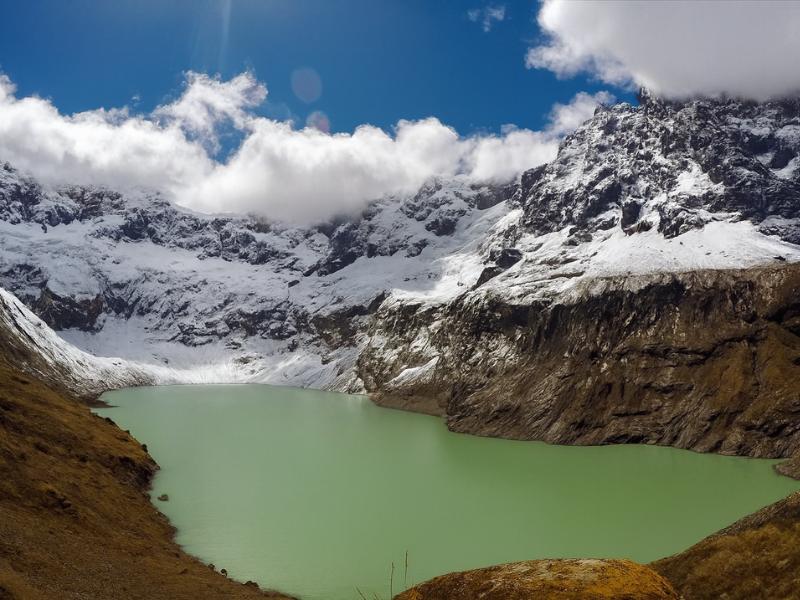
El Altar’s crater lake trek is not exceptionally dangerous by the standards of multi-day high-altitude wilderness trekking. It carries the same category of risks as any serious Andean route: altitude, weather, remote terrain, and physical demand. What makes El Altar’s risk profile distinct is the combination of no cell signal, limited rescue infrastructure, Amazon-driven weather unpredictability, and a trail that loses definition in multiple sections. These factors stack in ways that reward preparation and punish improvisation.
The question is one we hear constantly, and it deserves a straight answer rather than reassurance dressed up as information. We’ve guided over 2,200 people on this mountain since 2011. We’ve seen conditions that ended treks early. We’ve coordinated evacuations. We know exactly which risks are theoretical and which ones have materialized on this specific trail.
The honest breakdown is this: for a prepared trekker with a certified guide, proper gear, and correct-season timing, El Altar is a challenging but manageable wilderness experience. The vast majority of guided trekkers complete the route without incident. For an independent trekker with no guide, inadequate gear, poor acclimatization, or wet-season timing, the same mountain becomes genuinely dangerous. The distance between those two scenarios is not luck. It’s preparation.
What follows is a section-by-section breakdown of every real risk on this trail, what actually happens when things go wrong, and the specific actions that keep each risk in the manageable column.
We’ve mapped out how to plan a trek in El Altar Ecuador tours based on what actually matters – acclimatization, transportation to the trailhead, and whether you need a guide.
What Are the Biggest Safety Risks on the El Altar Trek?
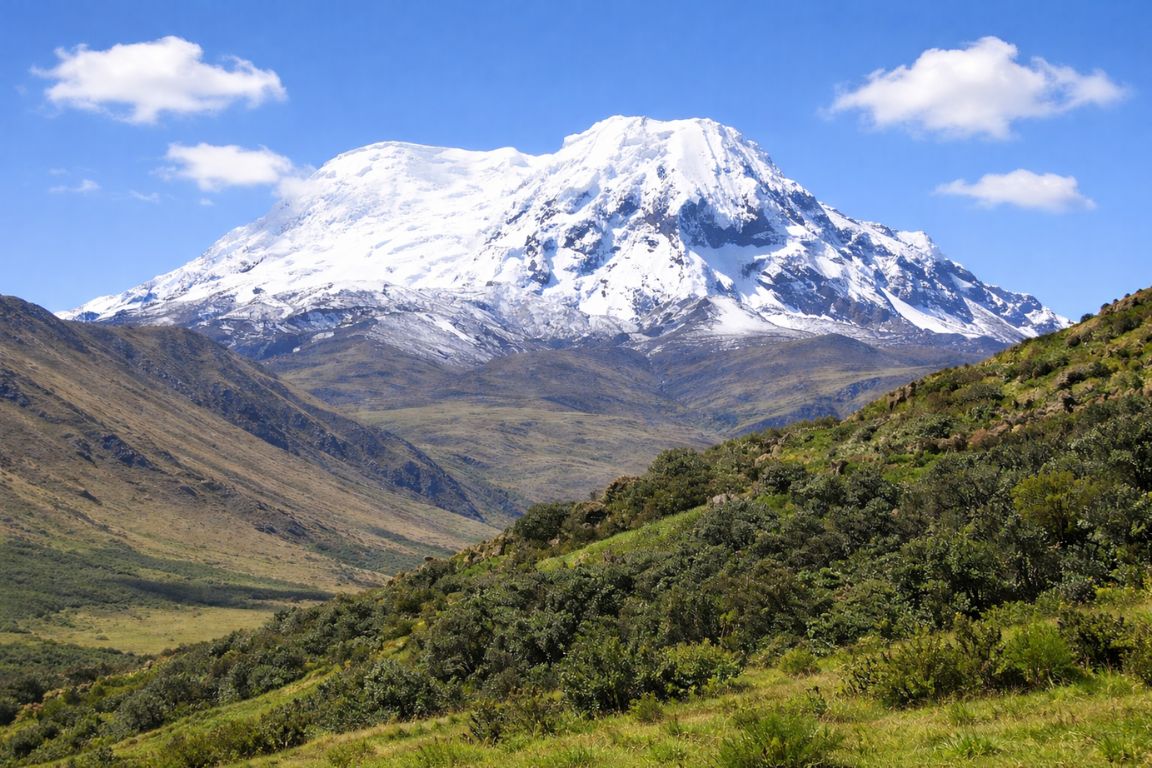
The five risks that cause the most serious problems on El Altar, in order of frequency across our guided groups: altitude sickness, hypothermia from wet and cold exposure, slips and falls on muddy terrain, trail disorientation in low visibility, and delayed rescue due to remoteness and no cell signal. Each is real. None is inevitable with proper preparation.
Understanding the ranking matters. Most articles about El Altar safety focus heavily on altitude because it’s the most familiar concept for people researching high-altitude trekking. Altitude is real on this mountain. But in our experience, hypothermia and mud-related injuries actually account for more trip-ending incidents than altitude sickness. The Amazon proximity means this mountain is wet in a way Cotopaxi or Chimborazo are not, and cold plus wet is a hypothermia equation that operates at 3,500m just as efficiently as at 5,000m.
| Altitude sickness (AMS) | Day 2 and beyond; ascending too fast without acclimatization | Persistent headache, nausea, dizziness, confusion, difficulty breathing | Stop ascending; descend if symptoms don’t improve within 1-2 hours of rest |
| Hypothermia | Wet season; after river crossings; night at refuge | Uncontrollable shivering, confusion, slurred speech, loss of coordination | Stop moving; add dry insulating layers; warmth from guide; descend if needed |
| Slips and falls | Throughout – worse in wet season and on steep crater wall | Fatigue increasing error rate; mud over boot tops destabilizing footing | Slow pace; use poles; take breaks before fatigue becomes dangerous |
| Trail disorientation | Low visibility sections; after rain shifts trail features; river crossings | Path becomes unclear; guide no longer recognizable | Stop; do not proceed without certainty; guide essential |
| Dehydration | Any day; high UV at altitude intensifies fluid loss | Dark urine, headache, cramping, fatigue beyond what exertion explains | Drink 3-4 liters per day minimum; water purification tablets for stream water |
The steep wall leading from the Collanes plain up to the crater rim deserves a specific mention. It’s short – roughly 45 minutes to an hour – but the grade is severe and the surface is almost always wet. Slippery rock and soil on a steep incline at 4,000m-plus, when legs are already tired from the approach, is where the most common trip-ending falls happen on this mountain. Trekking poles are not optional at this section. Pace matters more than effort. Your guide will tell you when to stop and breathe. Listen.
Not sure which one to prioritize? Check out our breakdown of El Altar vs Cotopaxi in El Altar Ecuador tours – they’re completely different challenges with different rewards.
How Serious Is Altitude Sickness at El Altar?
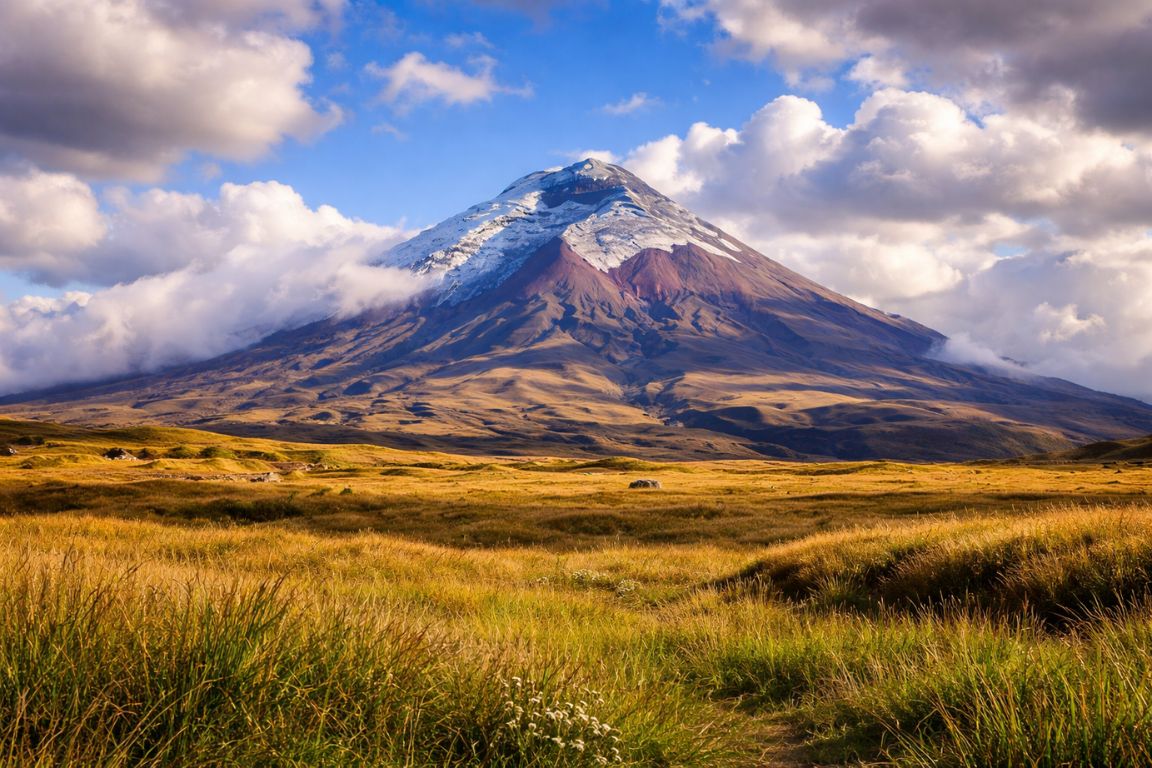
El Altar’s crater lake trek reaches 4,300m – high enough for genuine altitude sickness risk but well below the elevations where serious altitude illness becomes likely. Mild acute mountain sickness (AMS) affects a meaningful percentage of trekkers who haven’t acclimatized properly. Serious altitude illness – high-altitude pulmonary edema (HAPE) or high-altitude cerebral edema (HACE) – is rare at 4,300m but not impossible, particularly in people who ascend too fast from sea level. Proper acclimatization reduces the risk substantially.
The altitude numbers at El Altar are worth putting in perspective. The Collanes refuge sits at 3,850-4,000m. Laguna Amarilla sits at 4,150-4,300m. For comparison, Machu Picchu is at 2,430m, Quito is at 2,850m, and Cotopaxi‘s summit is at 5,897m. El Altar’s trekking goal falls into the range where mild symptoms are common but serious complications are uncommon for otherwise healthy people who have acclimatized.
The body needs time to produce more red blood cells in response to reduced oxygen. That process takes days, not hours. The sequence matters: arriving in Ecuador, spending a night at Quito’s 2,850m, then moving to Riobamba at 2,750m, then ascending to 4,300m over two days is a gradual enough progression that most people’s bodies adapt reasonably well. Arriving from sea level and attempting the crater push within 48 hours is a different and much riskier proposition.
| Mild AMS | Above 2,500m; common at 3,500m+ | Headache, fatigue, mild nausea, poor sleep | Rest; hydrate; do not ascend further until symptoms resolve |
| Moderate AMS | 3,500m+ in susceptible individuals | Severe headache unresponsive to ibuprofen, vomiting, weakness, loss of coordination | Stop ascending; descend 300-500m; reassess |
| HAPE (pulmonary edema) | Can occur above 2,500m; more common above 4,000m | Breathlessness at rest, rattling cough, pink frothy sputum, bluish lips | Immediate descent; this is an emergency |
| HACE (cerebral edema) | Typically above 4,000m | Severe confusion, inability to walk straight, extreme fatigue, loss of consciousness | Immediate descent; this is a life-threatening emergency |
The critical rule for altitude on El Altar is the same as for any high-altitude trek: if symptoms are not improving with rest at the same elevation, descend. Not tomorrow. Now. A certified guide carries this knowledge and is authorized to make that call. On a remote mountain with no cell signal and rescue response times measured in hours, a guide who recognizes HAPE or HACE early and begins the descent immediately is the margin between a medical incident and a tragedy.
Acetazolamide (Diamox) is sometimes prescribed by physicians for altitude sickness prevention. If you’re considering it, consult your doctor before the trip. It requires a prescription and has side effects that need to be understood in advance. Our guides carry supplemental oxygen in their emergency kit, but it is not a substitute for acclimatization or descent when needed.
A booking tool cannot assess altitude symptoms or medical readiness. Resolve health concerns before choosing any high-altitude trek.
What Makes the Trail Itself Dangerous (And What Doesn’t)?
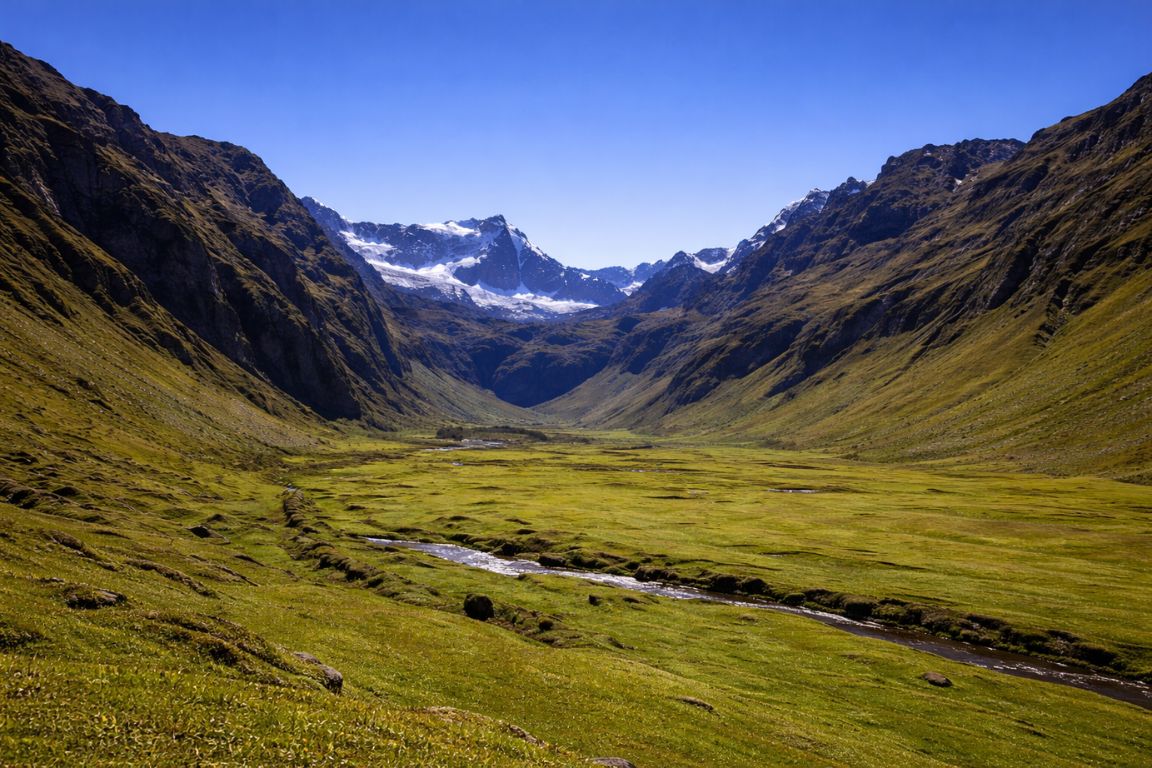 The Collanes trail’s physical hazards are real but specific: deep mud that destabilizes footing and exhausts legs, river crossings whose depth and speed change with rainfall, a steep crater wall approach with poor grip in wet conditions, and sections where the trail loses definition entirely. None of these are inherently deadly in isolation. The danger increases when they stack together in poor conditions on a fatigued body with no guide to navigate the uncertainty.
Let’s be specific about what the mud actually does. It’s not a minor inconvenience that slows your pace. In shoulder season or wet conditions, sections of the Collanes trail become knee-deep bogs. Each step requires extracting a boot from suction, maintaining balance on an unstable surface, and placing the next foot on ground whose consistency you can’t see. That’s a fundamentally different physical skill from normal hiking. It fatigues stabilizer muscles – ankles, calves, hips – faster than clean trail does, and those are precisely the muscles you need most when the footing gets precarious on the crater wall.
River crossings along the Collanes river and its tributaries are a separate category of risk. In dry season, these are straightforward – ankle to knee depth, manageable flow. After significant rain, the same crossings can run thigh-deep with current. A guide who knows this trail reads the water before committing to a line. An independent trekker without that knowledge may choose a crossing point that looks viable and isn’t. Trekking poles provide a third point of contact and significantly reduce the chance of going down in a cold, fast current.
The crater wall itself – the final 45-minute push from the Collanes plain to the rim – is where the most falls happen. The route goes up steep, often saturated ground with embedded rock. It is not technical climbing. You don’t need ropes. But you do need legs that are still functional, a pace slow enough to maintain footing, and poles for balance. On a 2-day itinerary when legs are already depleted from the full approach, this section is meaningfully harder than it is on a 3-day when you’ve slept at the refuge and started the crater push fresh.
What doesn’t make the trail dangerous: the wildlife. Condors, foxes, deer, and the occasional spectacled bear all inhabit Sangay National Park. None are aggressive toward humans in normal circumstances. There are no venomous snakes at this altitude. The puma that occasionally moves through the park’s lower sections is extremely rarely seen and has never been documented attacking trekkers on this route. Wildlife is not in your risk column at El Altar.
We’ve broken down 2-Day vs 3-Day trek in El Altar Ecuador tours so you can figure out which makes sense for your fitness level without rushing or adding unnecessary time.
Is El Altar Safe to Trek Without a Guide?
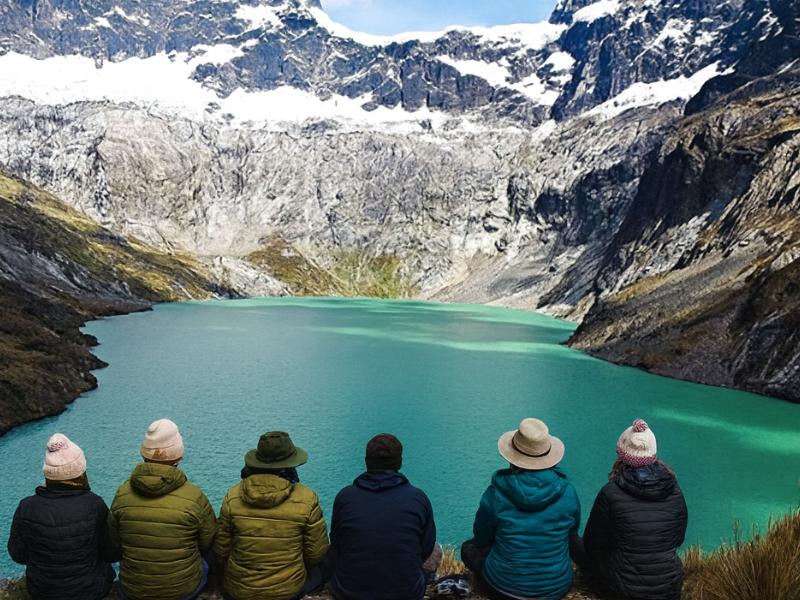
Going without a guide on El Altar is illegal under Ecuadorian law for multi-day national park treks and meaningfully more dangerous than going with one. The trail loses definition in multiple sections. There is no cell signal on the entire route. Rescue response takes hours under best conditions. The trailhead is difficult to find independently and signage on the mountain is incomplete. Independent trekkers have required rescue on this route. This is not a risk calculus that favors skipping the guide to save money.
The legal question is clear. Ecuadorian law requires a certified guide for all multi-day treks inside national parks including Sangay. Enforcement is inconsistent – some independent trekkers complete the route without being stopped. But the legal requirement exists for concrete safety reasons, not bureaucratic ones, and the gaps in enforcement don’t change the underlying risk.
The navigational reality on El Altar is that several trail sections are not obviously marked. After rain, the path across the Collanes plain in particular can look like a uniform expanse of páramo with no clear line through it. River crossings shift. The final approach to the crater rim requires choosing a line up a steep wall that isn’t defined by a clear single path. Guides on this mountain navigate from memory and terrain knowledge built over repeated trips in varying conditions. GPX tracks from past hikers can help, but they represent conditions on specific dates in specific weather. They don’t account for the river that rose two meters after last week’s rain.
The rescue dimension is the most serious argument. If something goes wrong independently at El Altar – a severe AMS episode, a fall, a hypothermia event – you have no cell signal and no mechanism to call for help quickly. Help comes from whoever you can physically send back down the trail to find it. In a best-case scenario, rescue from Riobamba takes several hours to organize and reach the mountain. In a worst-case scenario, with trail conditions degraded and rescue teams navigating the same terrain you struggled with, response is measured in half a day or more.
With a certified guide, the situation changes. They carry emergency gear, make the call to descend early when conditions warrant, know the fastest evacuation routes, and have a network of contacts in Riobamba who can be mobilized if needed. They are the first and most important layer of safety on this mountain. If you've been weighing the guide fee against your budget, check the guided 3-day itinerary and weigh it against the alternative scenario instead.
We've been securing certified guides for the 3-day Laguna Amarilla trek and running these routes safely since 2011. Our team at El Altar Ecuador Tours handles the full safety infrastructure – permits, guide certification, emergency protocols, and evacuation coordination – so you can focus on the mountain.
What Happens If Something Goes Wrong on the Trail?
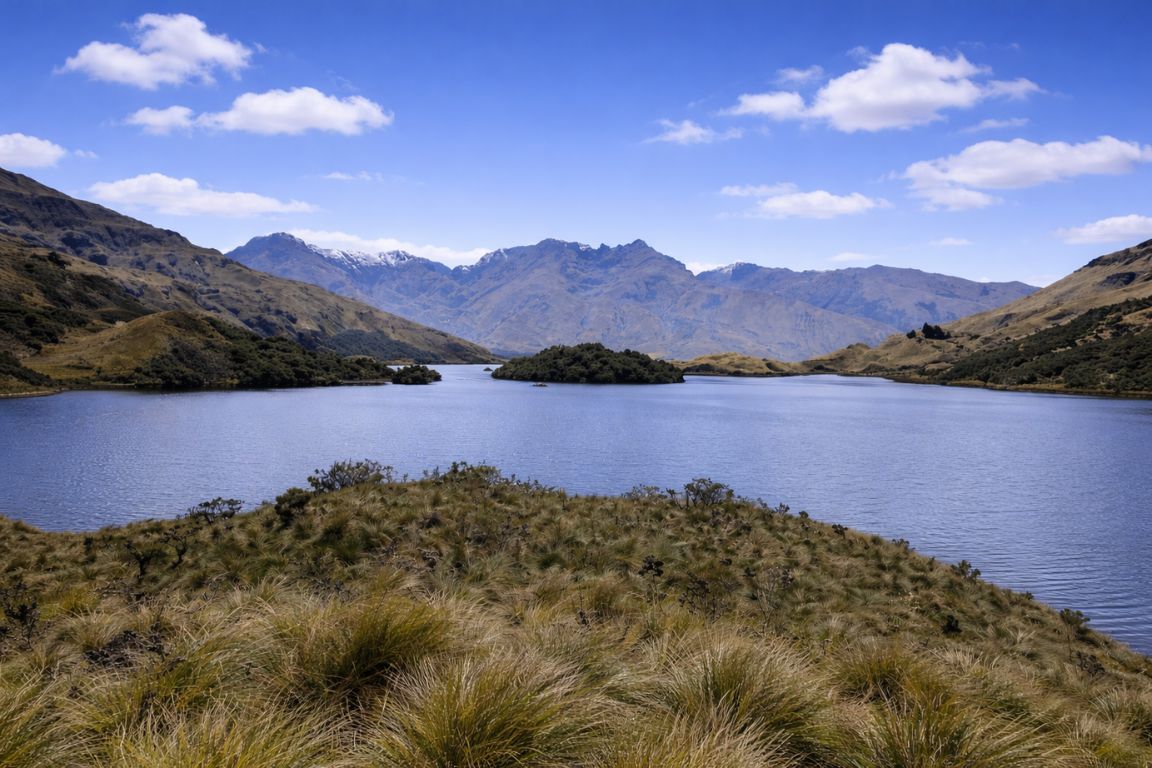 There is no cell signal anywhere on the El Altar trek route. The nearest hospital with serious trauma capability is in Riobamba, approximately 1.5 to 2 hours from the trailhead by vehicle, and the trailhead itself is 1 to several hours from where most medical emergencies would occur on the mountain. This means the realistic response window for any serious incident is 3 to 6 hours minimum from the moment help is requested. That timeline is the strongest argument for prevention over response.
This is the section most travel articles skip entirely. We think it’s the most important one.
Cell phones do not work in Sangay National Park on the El Altar route. No signal, at any point, from the trailhead to the crater lake. If you need help, someone has to physically descend to a point where communication is possible, which from the refuge means 5 to 7 hours of trail back to the hacienda. If you’re a solo independent trekker, that means you’re descending to get help yourself while managing the situation that requires the help. With a guide, they handle communication while you manage the immediate problem.
An optional layer of protection is a satellite communicator – devices like Garmin inReach allow two-way messaging from anywhere on earth with clear sky view. They’re not cheap, but for remote wilderness trekking with no cell coverage, they provide a genuine safety upgrade. We recommend them to clients doing extended time in Sangay. They don’t replace a guide’s judgment. They give you the ability to call for help from somewhere that has no other way to reach the outside world.
The evacuation logistics at El Altar are difficult by the standards of mountain rescue. The trail is not accessible by vehicle. Any evacuation from the upper route involves carrying or supporting someone out on foot. Mule evacuation is sometimes possible in the Collanes Valley section but requires time to organize. The nearest medical facility capable of treating serious altitude illness – supplemental oxygen, IV fluids, appropriate medication – is Riobamba’s hospital, not a trailside clinic. That reality means the guide’s job is partly to ensure that situations requiring evacuation are recognized early enough that the person can still move under their own power, at least partially. A guide who catches early AMS symptoms, begins a controlled descent at hour two, and gets someone to Hacienda Releche under their own steam has just managed a medical situation. A guide who misses the same symptoms and is dealing with HAPE at the refuge is facing a very different extraction problem.
Travel insurance with emergency medical evacuation coverage is not optional for this trek. It is not expensive relative to the total trip cost and it is the difference between a medical emergency being financially manageable and being catastrophic. Buy it before you travel, confirm it covers high-altitude trekking activities, and carry the policy details with you on the mountain.
A tour booking is not an emergency response service. Resolve communications and evacuation arrangements with your operator before departure.
How Do You Prepare to Reduce the Real Risks?
The actions that most directly reduce El Altar’s real risks: acclimatize properly before the trek, book a certified guide, go in the right season, carry the right gear, and buy travel insurance with evacuation coverage. None of these are complicated. All of them are skipped regularly by trekkers who underestimate the mountain. The gap between a safe El Altar experience and a dangerous one is almost entirely made in the planning phase, not on the trail.
| 1-2 nights in Quito/Riobamba before trek | Altitude sickness | Allows initial blood oxygen adaptation at 2,750-2,850m before ascending to 4,300m |
| 3-day itinerary over 2-day | Altitude sickness; fatigue-related falls | Night at refuge (3,850-4,000m) gives body another acclimatization step; Day 2 push starts fresh |
| Certified guide | Navigation; AMS recognition; rescue coordination | Legally required; provides trail knowledge, emergency protocols, early warning on symptoms |
| November-February timing | Hypothermia; mud-related falls; trail disorientation | Driest window reduces depth of mud, river levels, and fog that obscures trail sections |
| Rubber boots (not trail runners) | Slips and falls; mud exhaustion | Only footwear that remains functional through knee-deep mud; prevents foot extraction accidents |
| Sleeping bag rated to -5°C | Hypothermia | Refuge nights drop below freezing year-round; inadequate sleeping gear is one of most common cold exposure sources |
| Waterproof shell and dry bag | Hypothermia; gear failure | Wet clothing at altitude is a hypothermia onset mechanism; a dry set of camp clothes is non-negotiable |
| 3-4 liters water per day | Dehydration; exacerbating AMS symptoms | Altitude increases respiratory water loss; dehydration worsens every other risk factor on this list |
| Travel insurance with evacuation | Delayed rescue; financial catastrophe | Covers helicopter evacuation and hospital costs that would otherwise be ruinous |
| Trekking poles | Slips and falls; river crossings | Third point of contact on mud and at crater wall; river crossing stability; reduces leg fatigue by ~25% |
One preparation action not on most lists: tell someone your exact itinerary before you leave, including the trailhead, your guide’s contact information, your expected return date, and what to do if you haven’t checked in. If you’re traveling solo, this is your backup for the scenario where the guide is also incapacitated. In practice, this rarely matters. It matters enormously in the rare case where it does.
Who Should Not Attempt the El Altar Trek?
El Altar’s crater lake trek is not suitable for everyone, and most travel articles won’t say that plainly. The trek is genuinely contraindicated for people with certain health conditions, people who have not acclimatized properly, first-time trekkers without multi-day high-altitude experience, and anyone who cannot commit to going with a certified guide. These are not scare tactics. They are the conditions that turn El Altar’s manageable risks into serious ones.
The honest list of who should reconsider or prepare more carefully before attempting El Altar:
People with cardiovascular conditions. Any history of heart disease, irregular heart rhythm, or elevated blood pressure should consult a physician before trekking above 3,500m. Altitude increases cardiac workload. Exercise at 4,300m on a compromised cardiovascular system is a different proposition than exercise at sea level on the same system. This doesn’t automatically disqualify you from El Altar, but it requires medical clearance and honest conversation with your doctor about the specific demands of this terrain.
People with respiratory conditions. Asthma, COPD, or any chronic lung condition requires careful assessment before a 4,300m trek. Reduced oxygen at altitude compounds pre-existing breathing difficulties. Some people with well-managed asthma complete El Altar without incident. Others find their symptoms escalate rapidly at altitude. Know your condition, carry your medication, and inform your guide before the trek starts.
People arriving from sea level with fewer than 48 hours at altitude. This is the most commonly skipped preparation step and the one that causes the most preventable AMS incidents. Flying from a coastal city or another country and attempting El Altar the following day is an aggressive altitude gain that most bodies will struggle with. Two nights in Quito or Riobamba is minimum. More is better.
First-time high-altitude trekkers without multi-day experience. El Altar’s combination of sustained elevation, multi-day physical demand, and remote conditions is not the right introduction to high-altitude trekking. A guided day hike to Quilotoa (3,914m), a Cotopaxi acclimatization day, or a night at altitude elsewhere in Ecuador before El Altar gives your body and your judgment a calibration point. Going in cold, with no reference for how altitude affects your specific body, reduces your ability to recognize when something is going wrong.
Anyone who insists on going independently. The guide requirement is legal, practical, and safety-based. Independent trekking on El Altar removes the most important safety layer on a mountain where rescue is measured in hours and the trail is legitimately difficult to follow in reduced visibility. We have coordinated rescues for independent trekkers on this mountain. It happens.
These high-altitude experiences are not a suitable automatic match for unresolved health or access needs. Obtain individual advice before booking.
From Our Guided Clients: Safety Incidents and Outcomes on El Altar
| Trekkers who completed without any medical incident | 87% |
| Trekkers who experienced mild AMS symptoms (headache, fatigue) – managed on trail | 31% |
| Trekkers who required early descent due to AMS or injury | 6% |
| Trekkers who cited “cold and wet” as the hardest element (vs. altitude or distance) | 44% |
| Trekkers who arrived without adequate cold-weather gear and required supplements from guide kit | 29% |
| Trekkers who skipped Riobamba acclimatization and experienced more severe symptoms | 61% |
| Serious evacuations requiring external rescue (in entire operating history) | Rare – fewer than 5 across 2,200+ guided clients |
That last row in the table carries the most weight. Across more than 2,200 guided clients on this mountain over 14 years, serious evacuations requiring external rescue have been rare. That number reflects what proper preparation, certified guides, correct-season timing, and early intervention on symptoms actually delivers: an experience that is challenging and serious without being routinely dangerous.
Questions about your specific fitness level, health history, or whether El Altar is right for your itinerary? Our team answers these questions before every booking. We’d rather have that conversation honestly up front than manage an incident on the mountain.
Reported survey figures are not a guarantee of your outcome. Compare the actual route, inclusions and your own requirements.
Frequently Asked Questions
Has anyone died on the El Altar trek?
There is no publicly documented record of a trekking fatality specifically on the Collanes crater lake route. El Altar’s technical summit climbing routes – particularly El Obispo – carry serious mountaineering risks and have seen incidents over the decades. The trekking route to Laguna Amarilla is a different category of activity with a different risk profile. Serious incidents on the trekking route have been rare under guided conditions. That said, “no documented fatalities” is not the same as “no risk” – the conditions exist for serious harm on this mountain, and they warrant the preparation described in this article.
This answer does not establish personal suitability, emergency support or insurance coverage. Confirm your individual requirements before booking.
Is El Altar more dangerous than Cotopaxi?
They carry different risks. Cotopaxi’s summit attempt pushes nearly 6,000m with glacier travel, crevasse exposure, and extreme cold. El Altar’s crater lake trek reaches 4,300m with no technical terrain. Cotopaxi is technically more dangerous for the summit attempt. El Altar’s danger profile is dominated by remoteness, hypothermia potential, trail navigation challenges, and slow rescue response rather than technical terrain or extreme altitude. Both require preparation. Neither is casually safe.
Can you get altitude sickness on El Altar?
Yes. The trek reaches 4,300m, which is high enough for acute mountain sickness to affect people who ascend too quickly from sea level. Mild AMS – headache, fatigue, mild nausea – affects a meaningful portion of trekkers without proper acclimatization. Serious altitude illness is uncommon at 4,300m in healthy, acclimatized people but is not impossible. The prevention protocol is straightforward: spend at least 1 to 2 nights at 2,750–2,850m (Quito or Riobamba) before beginning the trek, ascend gradually via the 3-day itinerary, and descend immediately if symptoms worsen.
This answer does not establish personal suitability, emergency support or insurance coverage. Confirm your individual requirements before booking.
Is there cell phone signal on El Altar?
No. There is no cell signal anywhere on the El Altar trek route, from the trailhead to the crater lake. This applies to all carriers. Communication from the mountain is not possible by cell phone. Satellite communicators (Garmin inReach or similar) work from the mountain and provide the only real-time external communication capability. Inform someone of your exact itinerary and expected return before leaving Riobamba.
This answer does not establish personal suitability, emergency support or insurance coverage. Confirm your individual requirements before booking.
What happens if I get altitude sickness on El Altar?
Mild symptoms – headache, fatigue, mild nausea – are managed by resting at the same elevation, hydrating, and not ascending further until they resolve. If symptoms worsen or do not improve within 1 to 2 hours of rest, descend. Even descending 300 to 500m usually produces rapid improvement in AMS symptoms. If you experience symptoms of HAPE or HACE – breathlessness at rest, confusion, inability to walk straight, rattling cough – this is a medical emergency requiring immediate descent. A certified guide carries this knowledge and emergency oxygen. This is one of the core reasons the guide requirement exists.
This answer does not establish personal suitability, emergency support or insurance coverage. Confirm your individual requirements before booking.
Do I need travel insurance for El Altar?
Yes. Travel insurance with emergency medical evacuation coverage is strongly recommended. Standard travel insurance may not cover high-altitude trekking activities – check the policy before purchasing. Helicopter evacuation from remote Ecuadorian highland terrain, followed by hospital treatment in Riobamba, can run several thousand dollars without insurance coverage. The policy cost is a small fraction of the evacuation cost it covers.
This answer does not establish personal suitability, emergency support or insurance coverage. Confirm your individual requirements before booking.
Written by Mateo Santiago Rivera
Ecuador tour guide since 2011 · Founder, El Altar Ecuador Tours
Mateo has guided over 2,200 travelers through El Altar, Chimborazo, and Ecuador’s high-altitude routes since founding the agency.