El Altar vs Cotopaxi
Cotopaxi or El Altar? One is a 1am glacier summit with crampons. The other is a remote multi-day trek to a crater lake. Here’s how to choose.
Choose your objective first: Laguna Amarilla trekking, a Cotopaxi refuge day hike and a Cotopaxi summit attempt are different bookings. Explore The Three-Day Refuge Itinerary
El Altar vs Cotopaxi: At a Glance
| Type of experience | Multi-day wilderness trek | Technical summit climb |
| Status | Extinct volcano | Active volcano (one of world’s highest) |
| Highest point | El Obispo 5,319m (technical climb only) | Summit 5,897m |
| Standard trekker goal | Laguna Amarilla crater lake at 4,300m | Summit at 5,897m |
| Technical gear required | No (for crater lake trek) | Yes: crampons, ice axe, harness, rope |
| Duration | 2-3 days | 1-2 days (summit attempt); 2-4 days with acclimatization |
| Distance from Quito | ~3 hrs (via Riobamba) | ~1 hr (50km south) |
| Park entry fee | $10 USD foreigners (Verified March 2026) | Free entry; summit permits + insurance extra |
| Guided tour cost (approx.) | $290-420 USD pp all-in | $280-590 USD pp for 2-day guided climb |
| Crowd level | Very low – rarely see other trekkers | High – most popular high-altitude climb in Ecuador |
| UNESCO status | Sangay National Park, UNESCO World Heritage Site | Cotopaxi National Park |
| Wildlife highlight | Andean condors, wild horses, foxes, spectacled bears | Wild horses, llamas, foxes, condors |
| Summit success rate | 91%+ reach crater lake (guided) | Varies; weather-dependent; ~50-70% on summit day |
What’s the Difference Between El Altar and Cotopaxi as a Trekking Destination?
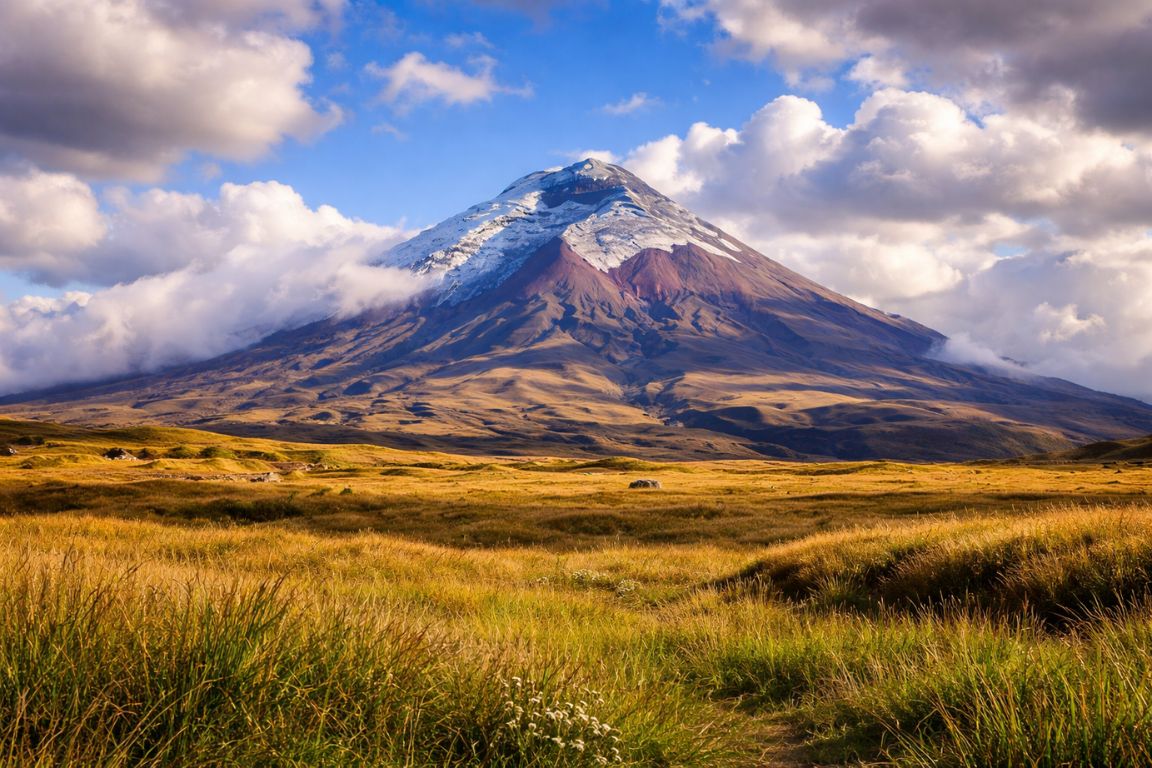
El Altar and Cotopaxi are both iconic Ecuadorian mountains, but they deliver fundamentally different experiences. Cotopaxi is a technical summit climb on an active volcano – glacier travel, crampons, crevasse navigation, a 1am start in sub-zero darkness – with a perfectly symmetrical cone that is one of the most recognizable shapes in the Andes. El Altar is a multi-day wilderness trek into a collapsed caldera, through remote páramo and past waterfalls, to a glacial crater lake that most travelers have never heard of. One is an achievement. The other is an immersion.
This distinction matters because most comparison articles treat them as interchangeable bucket-list peaks and tell you to pick based on fitness level or price. That framing misses the point. Cotopaxi and El Altar are not competing for the same experience slot. They are different things entirely.
Cotopaxi is the second-highest mountain in Ecuador at 5,897m, one of the world’s highest active volcanoes, and the most popular high-altitude climb in the country. It sits 50 kilometers south of Quito, visible from the city on clear days, and draws a steady stream of climbers year-round. The summit attempt is a pre-dawn glacier push in crampons, roped to your guide, navigating crevasses in the dark. It’s demanding. It’s serious. And for many people, standing on the rim of an active volcanic crater at nearly 6,000m is an experience that redefines what they think they’re capable of.
El Altar is different in almost every dimension. Extinct, remote, rarely visited, inside a UNESCO World Heritage Site. The trek doesn’t ask you to put on crampons. It asks you to walk 27 kilometers through some of the most pristine páramo in the Andes, past Andean foxes and wild horses and a 200-meter waterfall, and arrive at a caldera surrounded by nine jagged peaks that have been watching over a glacial lake for centuries. No other trekkers. No crowds. The mountain doesn’t care how many people have climbed it before. Probably because so few have.
We’ve guided people on both. The overlap in what they say afterward is smaller than you’d expect. Cotopaxi climbers talk about the achievement, the altitude, the view from the crater rim. El Altar trekkers go quiet for a second and then say something about the light on the lake.
How Do the Difficulty and Physical Demands Compare?
For the standard experiences on each mountain, Cotopaxi’s summit attempt is technically harder than El Altar’s crater lake trek. Cotopaxi requires glacier travel skills – crampons, ice axe technique, roped movement, crevasse awareness – and pushes you to nearly 6,000m. El Altar’s 3-day crater lake trek reaches 4,300m with no technical equipment needed. However, El Altar’s multi-day mud, sustained elevation gain, and remote conditions make it physically comparable in terms of total effort. They test you differently.
| Max elevation | 4,300m (Laguna Amarilla) | 5,897m (summit) |
| Technical gear | None required | Crampons, ice axe, harness, rope essential |
| Prior mountaineering experience | Not required | Basic glacier skills required or learned on day before |
| Alpine grading | Strenuous trekking – no alpine grade | PD (Peu Difficile) – entry-level technical climb |
| Duration of hardest day | 5-8 hrs (Day 1 approach, mud) | 6-10 hrs (summit day, 1am start) |
| Primary physical challenge | Deep mud, sustained elevation gain over multiple days | Extreme altitude (5,897m), cold, steep glacier |
| Altitude sickness risk | Moderate (4,300m max) | High (5,897m; nearly 6,000m) |
| Summit success rate (guided) | ~91% reach crater lake | ~50-70% on summit day (weather-dependent) |
The contrast in how each mountain challenges you is important. El Altar’s difficulty is largely aerobic and cumulative. The mud on the Collanes trail demands a specific kind of physical engagement – heavy, uneven steps on unstable ground for hours – that isn’t replicated by any gym training or previous clean-trail trekking. You arrive tired in a different way than altitude tires you. And it builds across two or three days, so Day 2 starts from a body that’s already been through something.
Cotopaxi’s summit attempt is a different animal. The altitude alone – nearly 6,000m – creates physiological stress that affects even very fit people. The pre-dawn start in temperatures that can hit -17°C, the glacier travel by headlamp, the crampon work on steep ice. These require technical competence, not just fitness. Most guided programs include a glacier skills session the afternoon before summit day specifically because the techniques are non-negotiable. You can be extremely fit and still fail on Cotopaxi because of altitude sickness. Summit success rates on any given day run between 50 and 70 percent depending on weather and how well clients acclimatized.
Neither is harder in absolute terms. They require different things from you.
Not sure if you’re ready for this altitude? Our breakdown of is El Altar Ecuador trek dangerous helps you assess whether it matches your experience level and fitness.
Which Trek Has Better Scenery?
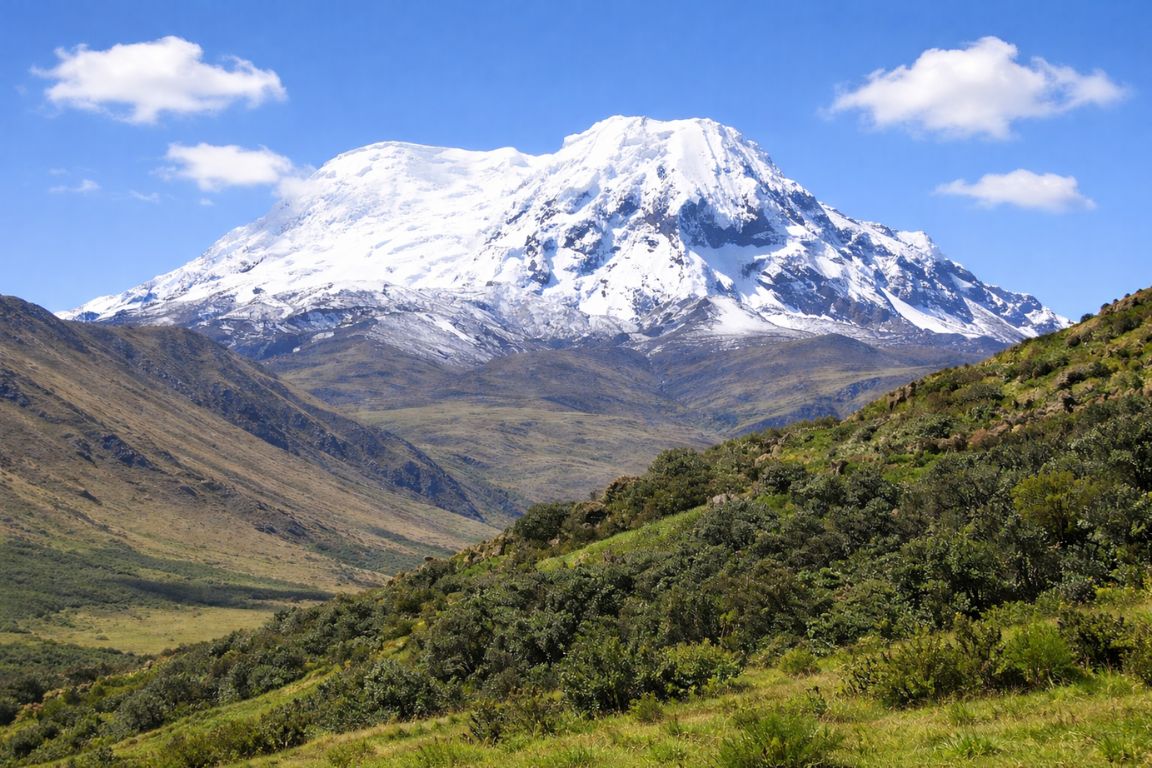
This is genuinely subjective, but the honest answer from 14 years of guiding both is this: Cotopaxi is more dramatic from a distance and on approach – its symmetrical cone is one of the most photogenic shapes in the natural world. El Altar is more dramatic when you’re inside it. Standing at Laguna Amarilla in a horseshoe of nine ice-covered peaks with no other humans in sight is a scene that doesn’t photograph easily because the scale doesn’t translate. You have to be there to feel what it’s doing to you.
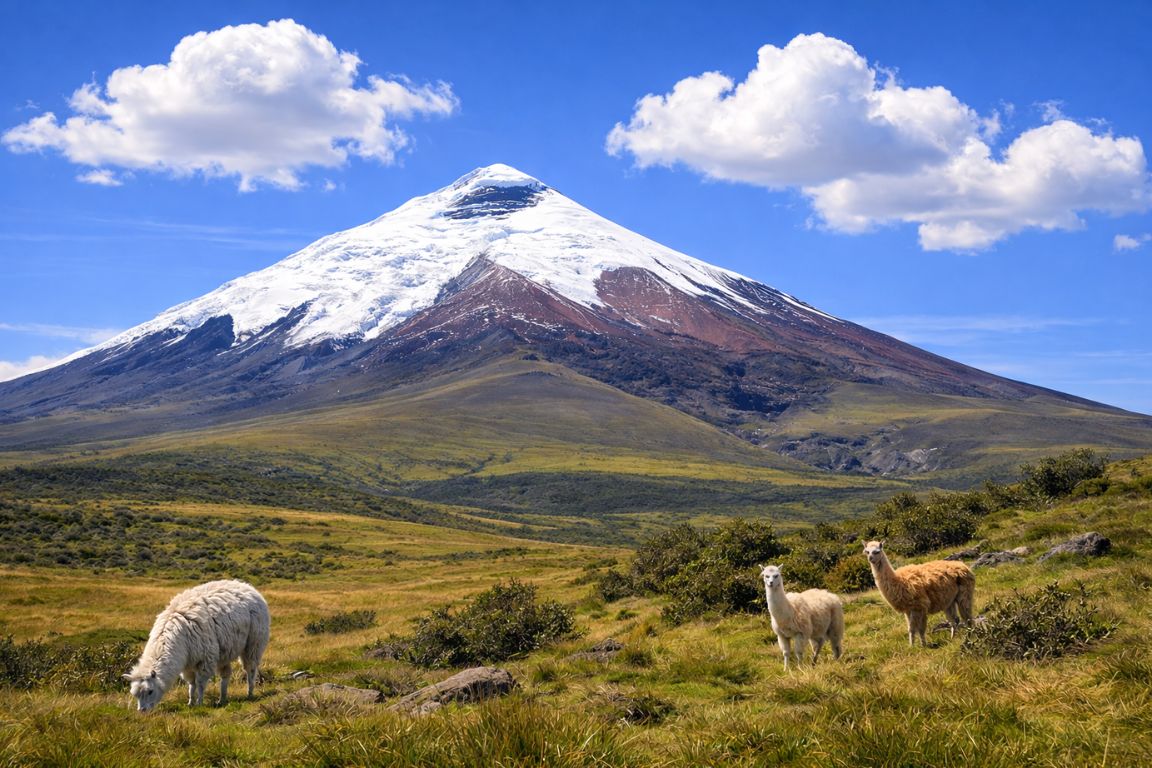
Cotopaxi’s visual drama is front-loaded. The cone appears on the horizon from Quito and grows as you drive south. The páramo surrounding it is expansive and striking, with wild horses moving across open grassland below the glacier. On the summit rim, you look down into an active volcanic crater that smells of sulfur and breathes fumes. On clear days, you can see Antisana, Cayambe, and the Illinizas from the top. It’s a panorama built for the kind of memory you pull out years later and say “I was there.”
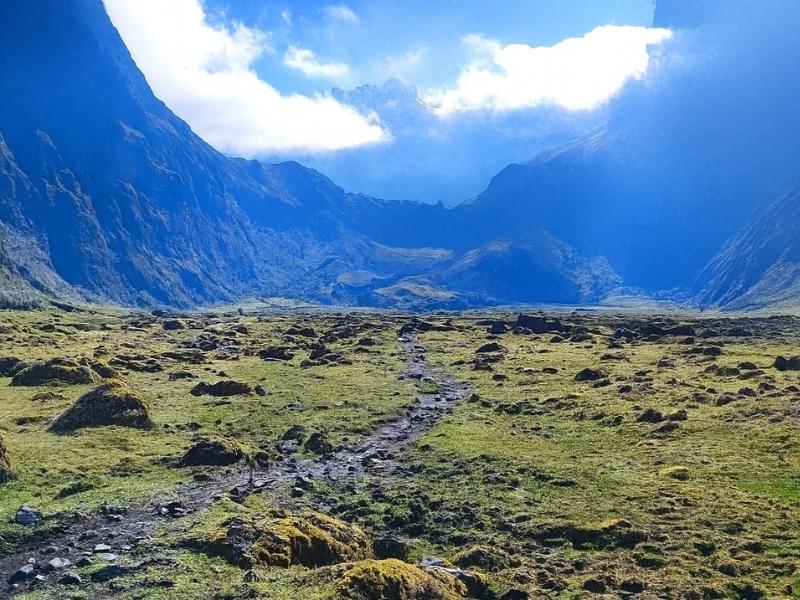
El Altar’s scenery builds the opposite way. The approach through the Collanes Valley is beautiful but gives nothing away. You’re in páramo, watching a 200-meter waterfall, admiring the way morning mist hangs in the canyon. The peaks appear only gradually. Then you cross the moraine, and the caldera opens. Nine peaks arranged in a reverse C-shape around a lake whose color shifts between turquoise and yellow-green depending on the light and the angle. Condors riding thermals above the glacier wall. The sound of ice calving into the water. Silence, otherwise.
Trekkers who have done both consistently say Cotopaxi surprised them less. That’s not a knock on Cotopaxi. It’s one of the most famous mountains in South America. People arrive knowing what they’ll see. El Altar delivers something most travelers didn’t know existed.
If you want to stop planning and start going, the 3-day Laguna Amarilla trek from Riobamba is the El Altar itinerary to date first; Cotopaxi can be sequenced after. We’ve been doing this since 2011.
Need help with logistics? Check out our breakdown on how to plan a trek in El Altar Ecuador tours – from guides to weather windows to what you need for high altitude camping.
How Do Costs, Permits, and Logistics Compare?
El Altar costs $10 USD to enter Sangay National Park (foreigners). A guided 3-day trek runs $340-420 USD per person all-in. Cotopaxi National Park entry is free, but a guided summit attempt runs $280-590 USD for a 2-day program, with additional permit fees, mandatory rescue insurance, and specialist gear rental if you don’t own crampons and an ice axe. Total investment is comparable, but Cotopaxi’s logistics are more complex and require advance booking of at least 4 days for permits and paperwork.
| Park entry | $10 USD (foreigners) (Verified March 2026) | Free entry to national park |
| Summit/climbing permit | Not required (crater lake) | Required; arranged by operator |
| Rescue insurance | Recommended | Mandatory – included in guided programs |
| Guided tour (all-in) | $290–420 USD pp (2-3 day) | $280-590 USD pp (2-day guided climb) |
| Technical gear rental | Not required | Crampons, ice axe, harness, helmet ($10-20/item/day if not included) |
| Advance booking required | Flexible; no fixed permit window | 4+ days minimum for permits and insurance paperwork |
| Base city | Riobamba (3 hrs from Quito) | Quito or nearby lodges (1 hr from Quito) |
| Accommodation on mountain | Collanes refuge or tent; basic | José Ribas refuge at 4,800m; book through licensed operator |
| Sunday/Monday access restriction | Yes – access via Hacienda Releche restricted Sun/Mon | No day-of-week restriction |
The logistics gap is real. Cotopaxi’s summit attempt involves moving parts that El Altar doesn’t: mandatory rescue insurance procurement, permit paperwork through the national park authority, specialist technical gear (many climbers rent crampons and ice axes in Quito), and refuge booking on a mountain that sees far more traffic. Operators typically require 4 days minimum lead time to get everything in order. El Altar’s permit process is comparatively simple – park entry at the trailhead, guide registration, and you’re moving.
One logistical note specific to El Altar that most articles miss: as of late 2025, access through Hacienda Releche is restricted on Sundays and Mondays, even with permits. Plan your start day accordingly. Thursday or Friday starts are typical for 3-day itineraries to avoid this constraint.
For the Cotopaxi summit, Quito is the natural base. For El Altar, Riobamba is the base. If you’re doing both, you’ll travel between the two cities, which adds a logistics layer but is entirely manageable. More on that in the combined itinerary section below.
Wondering what it actually costs? Check out our breakdown of what the El Altar Ecuador trek costs – from independent trekking to fully guided packages.
What’s the Best Time of Year for Each Trek?
Both mountains share Ecuador’s Andean dry season windows: November through February and June through September. But they respond differently to weather. Cotopaxi requires clear summit days and stable glacier conditions – June and July are considered peak months for summit success. El Altar’s crater lake trek is most reliable November through February, with December being the single best month. The Amazon proximity that makes El Altar wetter than Cotopaxi is why their optimal windows, while overlapping, aren’t identical.
| November-February | Best window; driest; clearest crater views | Good; December-January quieter crowds |
| December | Optimal; clearest skies of the year | Good conditions; fewer climbers than June-July |
| June-July | Viable; some rain; pack rain gear | Peak season; best success rates; more crowded |
| August-September | Acceptable; trails drying from wetter months | Good; strong winds can be an issue |
| March-May | Avoid; trails become dangerous bog | Wetter; lower summit success rates |
| October | Risky; transition to wet season | Unpredictable; approach with caution |
The key difference is why each mountain has its weather patterns. Cotopaxi sits in the central Andean cordillera, exposed primarily to Pacific weather systems from the west. El Altar sits on the eastern slope facing the Amazon, which pushes moisture up from the rainforest year-round. Even in Cotopaxi’s dry season, El Altar can be receiving rain. Travelers who try to do both mountains in the same narrow window sometimes find Cotopaxi clear and El Altar socked in, or vice versa.
The solution is timing. November through February satisfies both mountains’ optimal windows simultaneously. If you’re planning a combined Ecuador highlands itinerary, that period is the sweet spot where your chances of clear days at both destinations are highest.
The time of year you pick matters more than you’d think. This breakdown of the best time to visit El Altar Ecuador tours shows you exactly what changes throughout the seasons at altitude.
Which Trek Should You Do First?
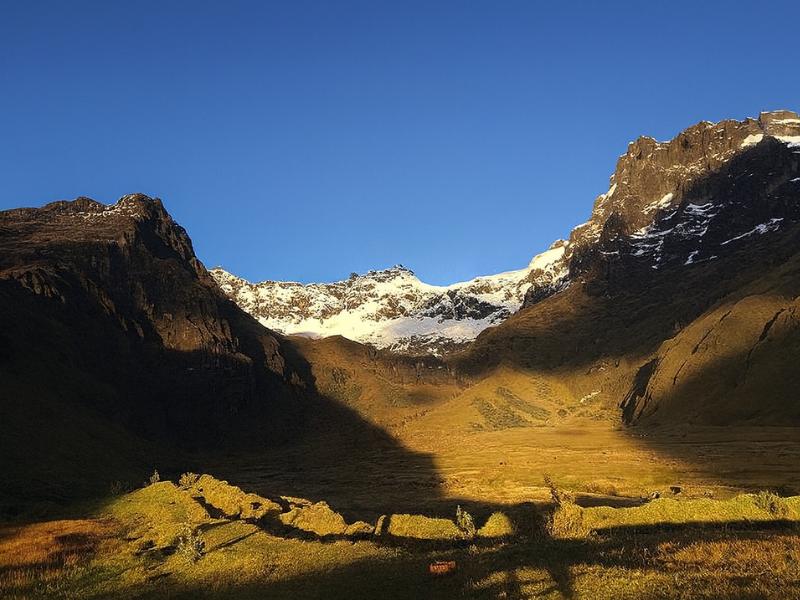
If you’re doing both, do El Altar first. This is the position most guides on both mountains quietly hold, and it almost never appears in travel writing. El Altar’s 3-day trek tops out at 4,300m, puts you in the field for multiple days, and builds exactly the aerobic base and altitude adaptation that Cotopaxi’s summit attempt needs. Doing Cotopaxi first, then El Altar, works fine in terms of safety. But it leaves El Altar as the dessert course after you’ve already done the headline act. Most travelers find it more rewarding the other way around.
Here’s the logic from a guiding perspective. Cotopaxi’s summit attempt pushes you to 5,897m. To improve your odds of success, you want your body acclimatized to altitude before summit day. The standard approach is two or three days in Quito (2,850m), then the mountain. But two days in Quito is passive acclimatization – you’re walking around a city, not actually hiking at elevation.
El Altar’s 3-day trek is active acclimatization. You’re spending three consecutive days at 3,000 to 4,300m, hiking 5 to 8 hours per day. Your body is genuinely responding to altitude stimulus, not just existing at it. Multiple tour operators across Ecuador explicitly list El Altar as the recommended acclimatization activity before Cotopaxi. We’ve seen the difference it makes in our own Cotopaxi-bound clients who came through El Altar first.
The emotional sequencing also matters. Cotopaxi is globally famous. It’s the peak that draws people to Ecuador’s highlands in the first place for many travelers. Going to El Altar first means you discover it without the weight of expectation. You come in knowing it’s a good trek. You leave knowing it’s something else entirely. Then you go to Cotopaxi already adapted, already warmed up, and with a baseline for Ecuadorian mountain travel that makes the summit experience richer rather than disorienting.
Doing it the other way isn’t wrong. Plenty of travelers do Cotopaxi first. But when we ask people who’ve done both in both sequences what they’d do differently, the consistent answer is: El Altar first.
Can You Do Both El Altar and Cotopaxi on One Ecuador Trip?
Yes, and the combination fits cleanly into a 7 to 10-day Ecuador highlands itinerary. The sequencing is: fly into Quito, 1 night acclimatizing, travel to Riobamba, do the 3-day El Altar trek, return to Quito or travel to Cotopaxi area, 1 to 2 days further acclimatization, summit attempt. Total field time is 5 to 6 days. It’s one of the most complete highland experiences available in Ecuador and the El Altar portion costs less than the Quito hacienda stays most travelers book as acclimatization anyway.
| Day 1 | Arrive Quito; rest; light acclimatization walk | Quito (2,850m) |
| Day 2 | Travel Quito to Riobamba; check in; rest | Riobamba (2,750m) |
| Day 3 | El Altar Day 1: Drive to trailhead; approach to Collanes refuge | 3,070m to 3,850-4,000m |
| Day 4 | El Altar Day 2: Pre-dawn push to Laguna Amarilla; caldera exploration | 4,300m max |
| Day 5 | El Altar Day 3: Descent to Hacienda Releche; return Riobamba | 4,000m to 2,750m |
| Day 6 | Travel Riobamba to Cotopaxi area; rest day; gear check | Cotopaxi lodge area (~3,500-3,800m) |
| Day 7 | Acclimatization hike near Cotopaxi; glacier skills session pm | 3,700-4,800m range |
| Day 8 | Cotopaxi summit attempt: leave 1am; summit ~5,897m; descend by midday | 4,800m to 5,897m and back |
| Day 9 | Rest / depart; optional Quito day | Quito or onward |
The travel distance between Riobamba and the Cotopaxi area is roughly 2 hours by road through some of the most visually striking Andean landscape in Ecuador. It’s not a difficult connection. Most operators running this combined itinerary handle the transport coordination as part of the package.
Budget-wise, the combined trip runs approximately $700 to $1,000 USD for the mountain components (El Altar 3-day plus Cotopaxi 2-day guided climb), excluding Quito accommodation and flights. That is good value for what it delivers: one of the most varied and complete high-altitude experiences in South America.
Questions about logistics, timing, or how to sequence this around your broader Ecuador itinerary? Our team at El Altar Ecuador Tours answers these exactly. Start with the 3-day Laguna Amarilla trek, then add a Cotopaxi summit program once those dates are set.
We’ve broken down 2-Day vs 3-Day trek in El Altar Ecuador tours so you can figure out which makes sense for your fitness level without rushing or adding unnecessary time.
What Do Trekkers Who’ve Done Both Actually Say?
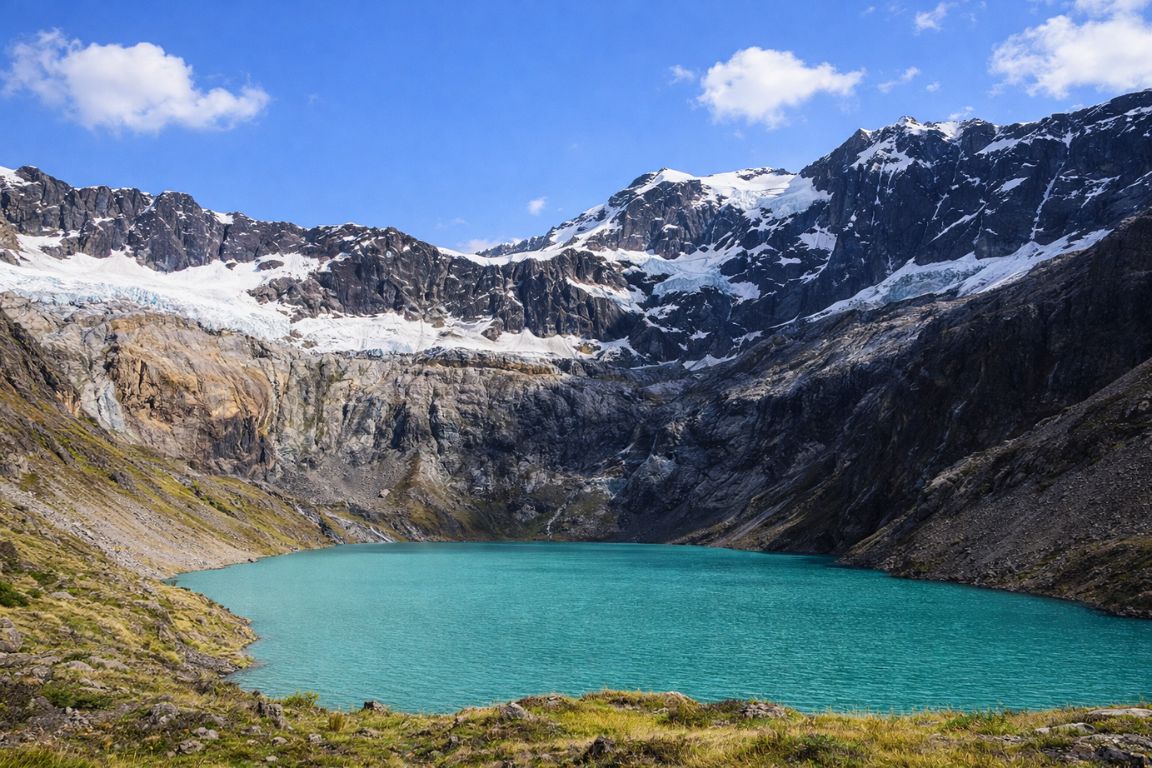
Travelers who’ve done both Cotopaxi and El Altar consistently describe them in different emotional registers. Cotopaxi earns words like “achievement,” “summit,” “tested,” “proud.” El Altar earns words like “unexpected,” “quiet,” “other-worldly,” “more than I thought.” The pattern in traveler accounts is remarkably consistent: Cotopaxi was what they came for, El Altar was what they remember differently.
The social research on this is clear enough to describe real patterns, not cherry-picked quotes. Across travel forums, AllTrails reviews, and detailed trek accounts, a few themes repeat:
The “El Altar surprised me more” pattern. Travelers who did Cotopaxi first and then El Altar describe a shift in expectation. Cotopaxi met what they expected – a serious, famous, glaciated volcano that delivered on its reputation. El Altar delivered something they hadn’t budgeted for emotionally. The caldera, the solitude, the lake. Multiple accounts describe arriving at Laguna Amarilla and just sitting for longer than planned. Nobody does that at Cotopaxi’s summit. You’re cold, you’ve been climbing for six hours, and you have to get down before the glacier softens.
The “Cotopaxi was harder, El Altar was deeper” pattern. Physically, Cotopaxi consistently rates harder: the altitude is 1,600m higher than El Altar’s trekking goal, the cold is more extreme, and the summit push demands technical skill alongside fitness. But the accounts that describe the richer overall experience more often point to El Altar. The multi-day immersion, the wilderness quality, the absence of other tourists. One trekker’s phrasing from a travel account captures it well: Cotopaxi pushed me further than I thought I could go. El Altar took me somewhere I didn’t know existed.
The “I’d do El Altar first next time” pattern. Travelers who did Cotopaxi first and then El Altar frequently note that El Altar would have been a better Cotopaxi acclimatization than whatever passive approach they used. Several describe realizing this in hindsight: the El Altar trek would have prepared them better physically and altitude-wise for Cotopaxi than days of waiting in Quito.
From Our Guided Clients: El Altar vs Cotopaxi Post-Trek Responses
| Reached primary objective (crater lake / summit) | 91% | 62% |
| Rated experience 5/5 | 89% | 81% |
| Said it exceeded expectations | 77% | 58% |
| Would recommend to a first-time Ecuador trekker | 94% | 79% |
| Said it was harder than expected | 71% | 83% |
| Clients who did both: named El Altar as more memorable | 61% chose El Altar |
That last row is the one worth sitting with. Among clients who’ve done both, El Altar edges Cotopaxi as the more memorable experience. Not by a landslide. But consistently. A mountain that most people outside Ecuador have never heard of, consistently outperforming one of the most famous volcanoes in South America in terms of what it does to the people who go there.
We’ve been taking people to both mountains since 2011. Our recommendation hasn’t changed: if you have time for one, ask yourself what kind of experience you’re actually after. If you have time for both, go to El Altar first. The 3-day Laguna Amarilla trek is the usual starting itinerary.
Reported survey figures are not a guarantee of your outcome. Compare the actual route, inclusions and your own requirements.
Frequently Asked Questions
Is El Altar harder than Cotopaxi?
It depends on what you mean by harder. Cotopaxi’s summit attempt reaches nearly 6,000m and requires technical glacier skills – crampons, ice axe, roped travel – in sub-zero pre-dawn conditions. El Altar’s crater lake trek tops out at 4,300m with no technical gear. By altitude and technical demands, Cotopaxi is harder. By sustained multi-day physical effort through difficult terrain, El Altar is comparable. They test different things.
Do you need mountaineering experience for El Altar?
No. The 3-day Collanes route to Laguna Amarilla is a trekking route, not a mountaineering one. No crampons, ice axes, or glacier travel involved. You need solid cardiovascular fitness, good altitude tolerance, and the right footwear (rubber boots for the mud). The technical summit of El Obispo at 5,319m is a different matter entirely – that requires expert mountaineering skills and is not part of the standard trek.
Do you need mountaineering experience for Cotopaxi?
Basic glacier skills are required: crampon technique, ice axe use, roped travel. Most guided programs include a glacier skills session the afternoon before summit day to cover the fundamentals. Prior technical mountaineering experience helps significantly. If you’ve never used crampons before, you can still attempt Cotopaxi with good guided instruction, but your success odds improve considerably with prior glacier experience.
Which is closer to Quito?
Cotopaxi is much closer: approximately 50 km south of Quito, about 1 hour by road. El Altar requires traveling to Riobamba first (approximately 3 hours from Quito), then a further 1 hour to the trailhead. Cotopaxi’s proximity to the capital is one reason it sees far more visitors than El Altar.
Can you see both El Altar and Cotopaxi in one Ecuador trip?
Yes. A 7 to 10-day itinerary fits both comfortably: fly into Quito, 1 night acclimatizing, travel to Riobamba for the 3-day El Altar trek, then travel back toward Quito for 1 to 2 days of Cotopaxi acclimatization and the summit attempt. Total mountain time is approximately 5 to 6 days. This is one of the best ways to experience Ecuador’s highland mountains and El Altar functions as superb active acclimatization for Cotopaxi.
Which trek is better for beginners?
El Altar’s crater lake trek is the more accessible of the two for trekkers without prior high-altitude or technical experience. It reaches 4,300m rather than 5,897m, requires no technical gear, and allows 3 days of gradual altitude acclimatization on the mountain itself. Cotopaxi’s summit attempt at nearly 6,000m with mandatory glacier techniques is a more demanding introduction to high-altitude objectives. Both require acclimatization in Quito or Riobamba beforehand.
Written by Mateo Santiago Rivera
Ecuador tour guide since 2011 · Founder, El Altar Ecuador Tours
Mateo has guided over 2,200 travelers through El Altar, Chimborazo, and Ecuador’s high-altitude routes since founding the agency.