What Does the El Altar Trek Cost?
El Altar trek cost? A 3-day guided trip runs $340-$420, but total real budget lands $450-$650 once you add gear, Riobamba stay, and transport.
Treat the article’s earlier budget ranges as estimates, not current quotes. Compare the same dates, group size and inclusions before calculating your total. Explore The Three-Day Refuge Itinerary
El Altar Trek: Complete Cost Breakdown
| Guided tour package (all-in) | $290-$340 USD pp | $340-$420 USD pp | Yes – this is the package |
| Sangay National Park entry fee | $10 USD foreigners / $2 USD nationals | $10 USD foreigners / $2 USD nationals | Usually yes – confirm when booking |
| Certified guide fee | Included | Included | Yes |
| Transport Riobamba ↔ Hacienda Releche | Included | Included | Yes |
| All meals on mountain | Included | Included | Yes |
| Mule/horse support for gear | Included | Included | Yes |
| Refuge or tent accommodation on mountain | Included | Included | Yes |
| Rubber boots loan | Usually included | Usually included | Confirm per operator |
| Sleeping bag loan (if needed) | Usually included | Usually included | Confirm per operator – critical item |
| Trekking poles loan | Sometimes included | Sometimes included | Confirm per operator |
| Guide tip (customary) | $15-$25 USD per guide per day | $15-$25 USD per guide per day | No – pay separately |
| Riobamba accommodation (pre-trek night) | $20-$60 USD per night | $20-$60 USD per night | No |
| Transport Quito → Riobamba (bus) | $4-$6 USD each way | $4-$6 USD each way | No |
| Travel insurance with evacuation coverage | $30-$80 USD for Ecuador trip | $30-$80 USD for Ecuador trip | No – strongly recommended |
| Realistic total per person | $380-$520 USD | $450-$650 USD | n/a |
How Much Does the El Altar Trek Cost?
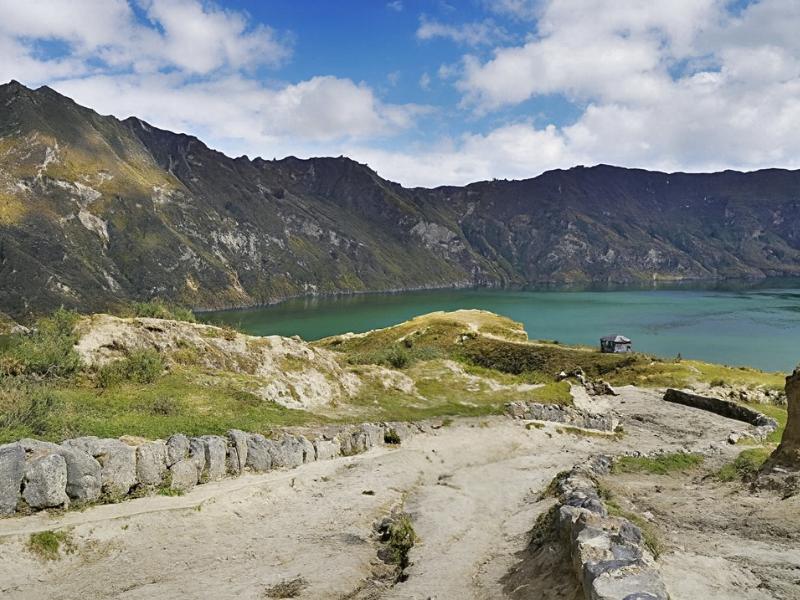
A guided 3-day El Altar trek costs $340-$420 USD per person, booked through a local Riobamba-based operator. The 2-day version runs $290-$340 USD per person. Both figures are for the guided package from Riobamba, which covers everything you need on the mountain. What they don’t cover – accommodation before the trek, tips, travel insurance, and getting yourself to Riobamba – adds another $110-$230 USD to the realistic total, bringing the full trip cost to $450-$650 USD per person for a 3-day experience.
The range within each package tier is real. A $340 USD 3-day package and a $420 USD 3-day package exist in the market and the difference is not imaginary – it reflects guide experience level, group size economics, sleeping bag and equipment quality, food quality, operator overheads, and whether the package uses tent camping versus the Collanes refuge. More on that in the budget-versus-premium section below.
One thing worth stating upfront: El Altar is not an expensive trek by the standards of comparable South American wilderness experiences. The 3-day Inca Trail to Machu Picchu runs $600-$900+ USD. Multi-day treks in Patagonia with comparable logistics run similar or higher figures. For a 3-day guided wilderness experience at 4,300m with full logistics, meals, and certified guide included, $340-$420 USD is competitive pricing. What makes it feel more expensive to some trekkers is that Ecuador’s dollar economy means costs don’t drop the way they do in Peru or Bolivia. The minimum monthly wage in Ecuador is meaningfully higher than in neighboring countries, and guide and logistics costs reflect that.
What’s Included (And What Isn’t) in a Guided El Altar Tour Package
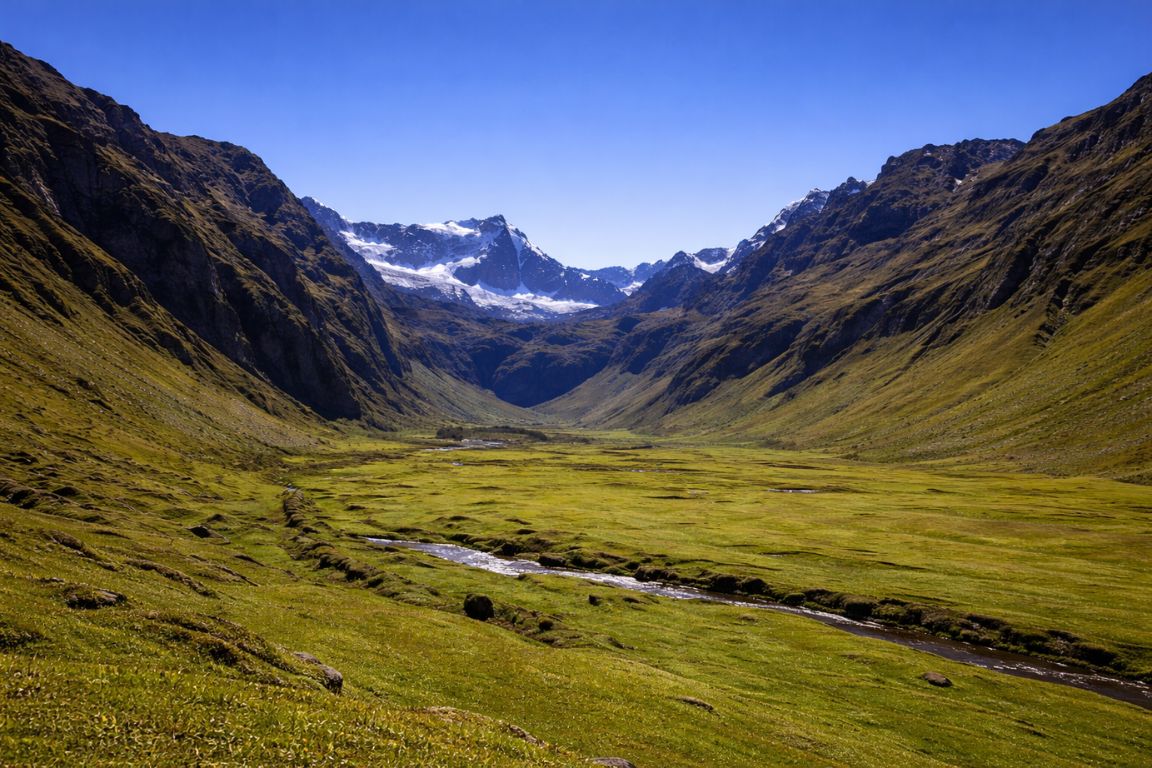 A standard El Altar guided package includes: certified bilingual guide, private transport from Riobamba to Hacienda Releche and back, Sangay National Park entry fee ($10 USD), all meals on the mountain from Day 1 lunch through Day 3 breakfast, mule support for carrying camp gear and group supplies, and accommodation on the mountain (refuge or tent depending on itinerary). What it does not include: tips, personal travel insurance, your accommodation in Riobamba before and after the trek, transport between Quito and Riobamba, and any personal gear you need to source separately.
| Certified guide (English/Spanish) | Guide tip | Tip customary: $15-$25 per guide per day |
| Transport Riobamba ↔ trailhead | Transport Quito ↔ Riobamba | Bus runs regularly; ~$4-6 USD each way |
| Sangay NP entry fee ($10 foreigners) | Any additional park fees if they change | Verify inclusion when booking |
| All on-mountain meals (typically Day 1 lunch → Day 3 breakfast) | Riobamba meals before/after trek | Breakfast Day 1 and dinner Day 3 typically on your own |
| Mule/horse support for group gear | Extra mule if you want personal bag carried | Some operators include this; some charge $10-15 USD extra |
| Refuge or tent accommodation on mountain | Riobamba accommodation | Budget $20-40 USD/night in Riobamba |
| Rubber boots (most operators loan) | Your personal hiking gear | Confirm rubber boot provision before booking |
| Sleeping bag (most operators loan) | Personal sleeping bag if you prefer own | Loaned bags vary in quality – worth confirming rating |
| Rain poncho or shell (most operators) | Personal clothing layers | Operators provide but personal base layers are yours |
| Emergency first aid kit | Travel insurance / evacuation coverage | Guide carries basic kit; insurance is your responsibility |
| Coca tea and trail snacks | Alcoholic beverages, personal snacks beyond standard | Bring your own preferred snacks |
The item that catches trekkers off guard most often: the sleeping bag. Most packages include a loaned sleeping bag, but the temperature rating varies significantly between operators. The Collanes refuge drops below freezing overnight in any season – nights at 3,850-4,000m regularly hit -1°C to -5°C, and colder in June and July. A sleeping bag rated to -5°C is the minimum for comfort and safety. Budget operators sometimes loan bags rated to 0°C or higher, which is inadequate for this terrain. When comparing packages, ask specifically what the sleeping bag rating is. If the loaned bag is insufficient, you either rent a better one (typically $5-15 USD/night from outdoor shops in Riobamba or Quito) or bring your own.
The other item to clarify: whether the package includes the Sangay National Park entrance fee or expects you to pay it separately at the gate. At $10 USD for foreign visitors and $2 USD for Ecuadorian nationals, it’s not a large figure, but it’s worth knowing before you arrive at the park entrance with no cash. Most reputable operators include it. Verify.
Want to know exactly what’s in and out of a 3-day package before committing? Review the inclusions on the 3-day Laguna Amarilla trek from Riobamba before you inquire.
If you’re trying to organize this remote trek, here’s how to plan a trek in El Altar Ecuador tours so you don’t show up unprepared for the altitude or the conditions.
2-Day vs 3-Day El Altar Trek: The Cost Difference Explained
The 2-day package costs $50-$80 USD less per person than the 3-day. That difference buys one fewer guide day, one fewer night of accommodation and meals on the mountain, and – critically – the physical and visibility advantages of the 3-day itinerary. The 2-day is not a budget version of the same experience. It’s a different, harder, and statistically less satisfying experience at a lower price. Whether that tradeoff is worth $50-$80 USD depends entirely on your constraints, not your budget.
| Package price range | $290-$340 USD pp | $340-$420 USD pp | $50-$80 USD pp |
| Guide days | 2 | 3 | 1 guide day included in 3-day |
| On-mountain nights | 1 | 2 | 1 extra night included in 3-day |
| Crater push departure time | 5:00-6:00am (same-day approach, tired legs) | 5:00-6:00am (after refuge night, rested) | No cost difference – timing advantage to 3-day |
| Day 1 total hours | 7-9 hours (approach only) | 6-8 hours (approach only) | No cost difference – physical advantage to 3-day |
| Day 2 total hours | 8-11 hours (crater push + full descent) | 4-6 hours (crater push + return to refuge) | No cost difference – 2-day is significantly harder |
| Trekker regret rate | 64% wish they’d booked 3-day | 18% wish they’d had more time | The $50-80 difference buys a lot of satisfaction |
The framing we use when trekkers ask us which to book: the 2-day saves you $50-$80, while the 3-day Laguna Amarilla trek is the itinerary most people compare it against. The 3-day saves you from a likely regret. Those numbers don’t balance the same way for everyone. If you have a fixed departure date and genuinely cannot extend by a day, the 2-day is the right choice and it’s a good trek. If you have any flexibility, the incremental cost of the 3-day is among the best-value upgrades available on this mountain. Our client data is consistent on this point – 64% of 2-day trekkers say on post-trek surveys they wish they had booked the 3-day. Only 18% of 3-day trekkers say they wanted more time. The $50-$80 differential closes that gap completely.
Can’t decide on trek length? I’ve compared 2-Day vs 3-Day trek in El Altar Ecuador tours so you know what you actually gain by taking the extra day at altitude.
Hidden Costs Most Trekkers Don’t Budget For
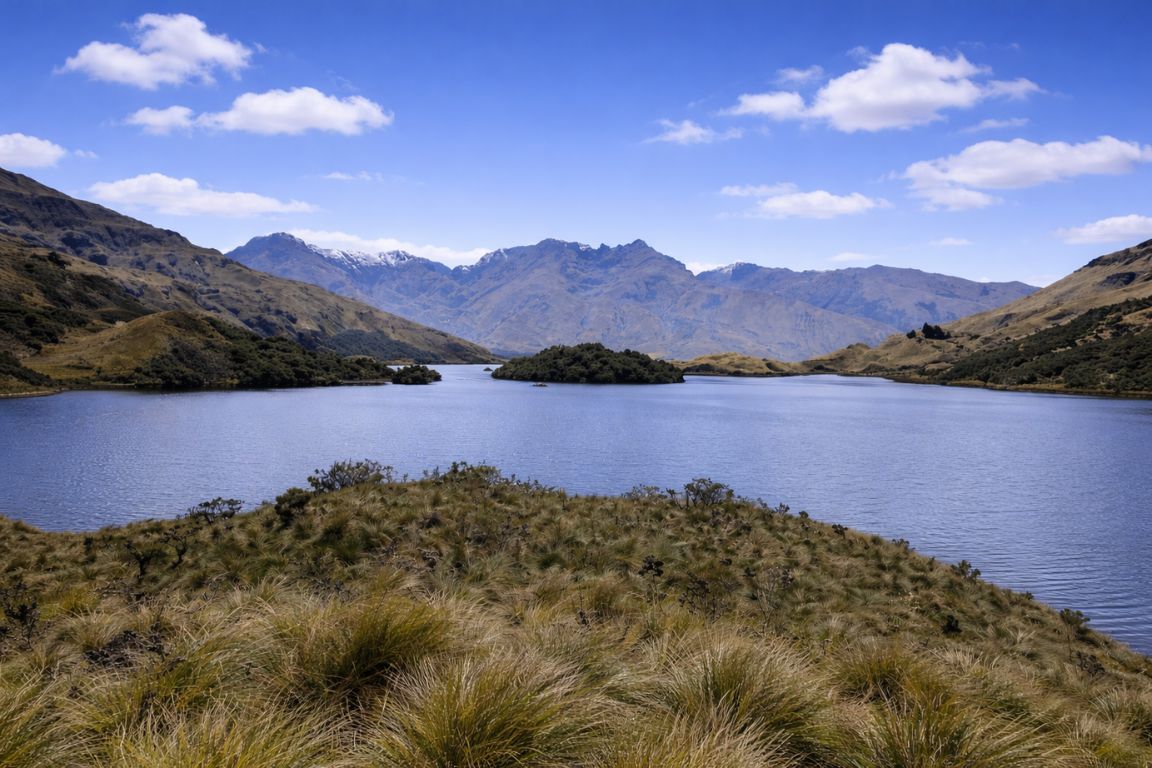 The five costs that consistently surprise El Altar trekkers who only budgeted the package price: guide tips (not optional in Ecuadorian guide culture), Riobamba accommodation for the pre-trek night (and sometimes post-trek), transport between Quito and Riobamba, travel insurance with evacuation coverage (not included in any package), and gear rental or purchase for items the package loan doesn’t adequately cover. Budgeting only the package price undershoots the real trip cost by $110–$230 USD per person.
| Guide tip | $15-$25 USD per guide per day | Customary in Ecuador; $45-$75 total for a 3-day; cash, USD |
| Mule handler tip | $5-$10 USD per day | Often overlooked; mule handlers work hard in difficult conditions |
| Riobamba accommodation (1 night minimum) | $20-$60 USD per night | Budget hostels $20-30; mid-range $40-60; essential pre-trek acclimatization night |
| Riobamba meals (2-4 meals) | $5-$15 USD per meal | Good Ecuadorian restaurants are inexpensive; budget $20-$40 total |
| Quito → Riobamba bus (each way) | $4-$6 USD | Regular service from Quitumbe terminal; 3.5-4 hour journey |
| Travel insurance with evacuation | $30-$80 USD for Ecuador trip duration | Must cover high-altitude trekking activities; verify before purchasing |
| Sleeping bag upgrade/rental (if needed) | $5-$15 USD per night from Riobamba/Quito shops | Only needed if package bag is inadequate rating; ask before booking |
| Personal snacks and water tablets | $10-$20 USD | Meals provided but personal snack preferences not; water purification tablets useful |
| Riobamba taxi to bus terminal | $3-$5 USD | Small but worth knowing |
| Total hidden costs (3-day trek) | $130-$235 USD per person | Mid-range estimate: ~$165 USD |
Tips deserve a direct paragraph because they’re the item people most awkwardly under-plan for. In Ecuador’s mountain guiding culture, tips are not optional gratuities for exceptional service – they’re part of the compensation structure for guides and support staff, the same as they are in Peruvian or Nepali trekking culture. A certified El Altar guide is working a physically demanding, safety-critical job in remote conditions. The standard is $15-$25 USD per guide per day. For a 3-day trek, budget $45-$75 USD per guide. If you have a separate mule handler (often the case), add $5-$10 USD per day for them. Tips are paid in cash, in US dollars, at the end of the trek. Arrive at the trailhead with the right bills – ATMs in Riobamba work fine for this, but don’t rely on the hacienda or mountain having change.
Travel insurance is the other non-negotiable that most package prices quietly exclude. A helicopter evacuation from remote Sangay National Park terrain, followed by hospital treatment in Riobamba, runs several thousand US dollars without coverage. The cost of a policy that includes high-altitude trekking and emergency evacuation for a two-week Ecuador trip is $30-$80 USD. That math is not complicated. Standard travel insurance may not cover activities above a certain altitude – check the policy language before purchasing, and confirm specifically that high-altitude trekking is included.
Budget vs Mid-Range vs Premium: What Each Price Point Actually Gets You
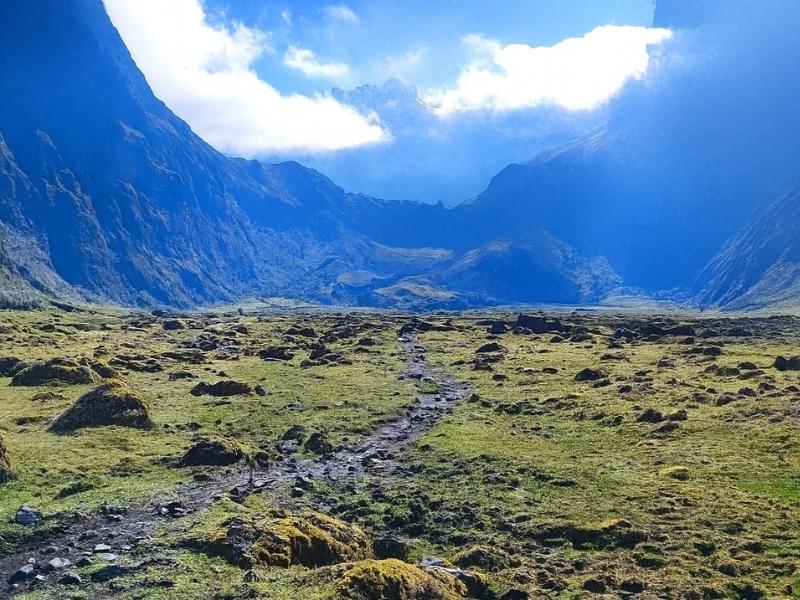
El Altar guide packages exist across a meaningful price range. The difference between a $290 USD 2-day package and a $490+ USD premium 3-day package is not arbitrary. Budget operators cut costs in specific, identifiable places. Premium operators invest in specific, identifiable places. Knowing where the real quality differences lie – and where they don’t – helps you spend where it matters and save where it doesn’t.
| Budget | $290-$340 USD pp | Certified guide, basic meals, transport, tent camping, loaned gear | Sleeping bag rating may be inadequate; group may be larger; guide English level varies; food is functional not good; tent quality variable |
| Mid-Range | $340-$420 USD pp | Certified guide with multi-season El Altar experience, improved meals, -5°C sleeping bags confirmed, smaller groups, refuge accommodation option | Some premium extras (satellite communicator, premium food) not included; group still 4-8 people |
| Premium / Private | $420-$550+ USD pp | Private guide (1:1 or 1:2 ratio), English-fluent guide with 5+ years El Altar experience, premium gear confirmed, refuge accommodation standard, full itinerary flexibility, emergency satellite communicator | Very little – this is the full experience |
The items worth paying more for – the ones where the price difference translates directly to safety or experience quality:
Guide experience on this specific mountain. El Altar is not a trail where generic guiding competence transfers fully. The navigation through the Collanes plain, the river crossing decisions, the crater wall approach, and the early AMS recognition all depend on guides who have done this route in multiple seasons and conditions. A certified guide on their third El Altar trip is meaningfully different from one on their thirtieth. Ask specifically how many El Altar treks the assigned guide has led.
Sleeping bag temperature rating. The difference between a 0°C bag and a -5°C bag at the Collanes refuge in July is the difference between a comfortable night and a miserable, cold, exhausting one that degrades your crater push the next morning. This is worth paying for and worth verifying explicitly.
Group size. Smaller groups move faster, have more guide attention, and produce less trail impact on sections that already take punishment from horse traffic. A private guide at $100 more than a group package is often the right math for two people who can split the premium.
The items where the budget-to-premium price difference does not matter much:
Food quality on the mountain. All packages provide adequate calories. The difference between budget and premium food at 3,850m is noticeable but minor relative to other factors. Trail lunch quality is not worth paying a $100 premium for.
Equipment age and appearance. Rubber boots are rubber boots. Rain ponchos are rain ponchos. What matters is whether they function, not whether they were purchased last year.
Departure timing flexibility. All operators in the current market understand the pre-dawn crater push and build it into the Day 2 schedule. This isn’t a premium differentiator.
We’ve answered the question is El Altar Ecuador trek dangerous with details on what makes this trek challenging and who should think twice before attempting it.
How El Altar’s Cost Compares to Other Ecuador Treks
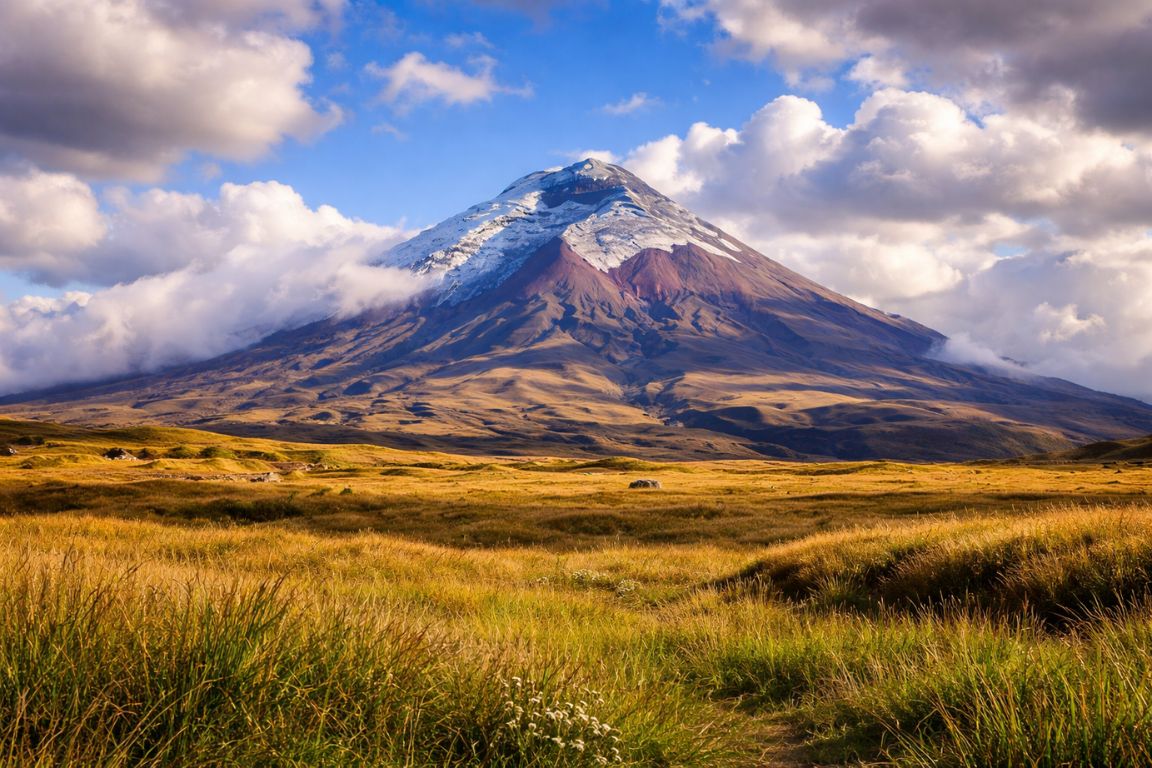 El Altar is mid-range priced compared to other Ecuadorian mountain experiences. It’s more expensive per day than day hikes and budget routes but significantly less expensive than Cotopaxi summit climbing packages. Compared to equivalent-length multi-day treks in Peru and Bolivia, El Altar is competitively priced – Ecuador’s higher minimum wage and dollar economy mean costs run slightly higher than Peru for the same service level, but not dramatically so.
| Quilotoa Loop (self-guided) | $30-$80 USD | 2-4 days | Much cheaper; no guide required; lower difficulty |
| Cotopaxi day hike (no summit) | $60-$120 USD | 1 day | Cheaper per trip; single day; less remote |
| El Altar 2-day guided | $290-$340 USD | 2 days | $50–80 cheaper than 3-day; harder experience |
| El Altar 3-day guided | $340-$420 USD | 3 days | Reference |
| Chimborazo summit climb (guided) | $350-$500 USD | 2 days | Similar price; technical climb; higher altitude (6,268m) |
| Cotopaxi summit climb (guided) | $280-$590 USD | 2 days | Overlapping price; technical; different experience entirely |
| Inca Trail to Machu Picchu (Peru) | $600-$900+ USD | 4 days | 50-100% more expensive; very high demand; permit required months ahead |
| Salkantay Trek (Peru) | $300-$550 USD | 5 days | Similar price per day; much easier permit access; more crowded |
The cost context that matters most: El Altar delivers an experience – remote wilderness crater lake at 4,300m, near-zero other tourists, wild horses, condors overhead, nine volcanic peaks surrounding you – that simply doesn’t exist at lower price points in Ecuador or South America. The Quilotoa Loop is cheaper and beautiful. It is not El Altar. The comparison isn’t really about alternative treks at all. It’s about whether $340–$420 USD is the right price for what El Altar actually gives you. Based on post-trek satisfaction data from our clients, the answer is consistently yes.
One cost efficiency note that applies specifically to groups: El Altar package prices are typically quoted per person for groups of two. Most operators reduce the per-person price for groups of three or more. A group of four splitting a private guide costs meaningfully less per person than two solo travelers booking into a group departure. If you’re traveling with others and everyone is confirmed, ask specifically about group pricing – the discount can be $30-$60 USD per person, which partially offsets the premium for smaller private groups.
Wondering which peak is worth your effort? Our guide on El Altar vs Cotopaxi in El Altar Ecuador tours shows you exactly what sets each one apart beyond just altitude numbers.
How to Avoid Overpaying (Without Cutting the Corners That Matter)
The most common ways trekkers overpay for El Altar: booking through international aggregator platforms that add 15-30% commission on top of local operator prices, booking premium add-ons (Quito hotel, Galapagos extensions) through the same trekking operator rather than independently, and renting gear in tourist-heavy Quito when the same gear is cheaper and just as good in Riobamba. The most common ways trekkers under-spend dangerously: choosing an operator solely on price without verifying guide experience, skipping travel insurance, and borrowing an inadequate sleeping bag.
| Book directly with Riobamba operator (not through international aggregator) | $30-$80 USD pp | None – same operator, no middleman commission |
| Rent gear in Riobamba rather than Quito | $10-$25 USD | None – same quality, lower prices outside tourist hub |
| Book Quito accommodation and Riobamba bus independently | $20-$50 USD vs bundled packages | None – bus is straightforward; accommodation easy to book |
| Travel in off-peak season (Nov, Jan after New Year, June) | $0-$30 USD – minimal seasonality premium at El Altar | None – El Altar has very little seasonal pricing variation |
| Group of 3+ travelers splitting private guide cost | $30-$60 USD pp vs solo booking | None – confirmed group, private guide |
| Choosing cheapest operator without checking guide experience | $30-$60 USD | Guide with 3 El Altar trips vs guide with 50 – measurable safety and experience difference |
| Skipping travel insurance | $30-$80 USD | Helicopter evacuation + hospital = $3,000-$8,000 USD uninsured |
| Accepting inadequate sleeping bag from cheap operator | $5-$15 USD rental saved | Cold, sleepless night at 3,850m before crater push; physical performance degraded |
| Going independently to avoid guide fee | $150-$250 USD | Illegal; navigation risk; rescue risk; lake probability lower without early trail knowledge |
| 2-day instead of 3-day purely to save money | $50-$80 USD | 64% regret rate; harder experience; lower crater visibility probability |
The aggregator point deserves specifics. Platforms like Viator, GetYourGuide, and booking.com add 15-30% to the local operator price for the same product. The operator you’re booking through on those platforms is often the same operator you could reach directly. Booking directly with a Riobamba-based tour company like El Altar Ecuador Tours removes the commission entirely. The total saving on a $380 USD package booked through an aggregator at 20% markup is $76 USD – enough for two extra nights in Riobamba, a quality sleeping bag rental, and guide tips.
How to verify you’re getting the direct price: search specifically for Riobamba-based operators, contact them by email or WhatsApp, and compare the direct quote to whatever aggregator price you found. If the direct quote is lower, book direct. If the operator only sells through aggregators, that itself is a signal worth noting.
Open the 3-day Laguna Amarilla listing to see the current package price, inclusions, and group options before you book through a third-party platform.
What to Do After the Trek: Costs for Riobamba, Extensions, and Onward Travel
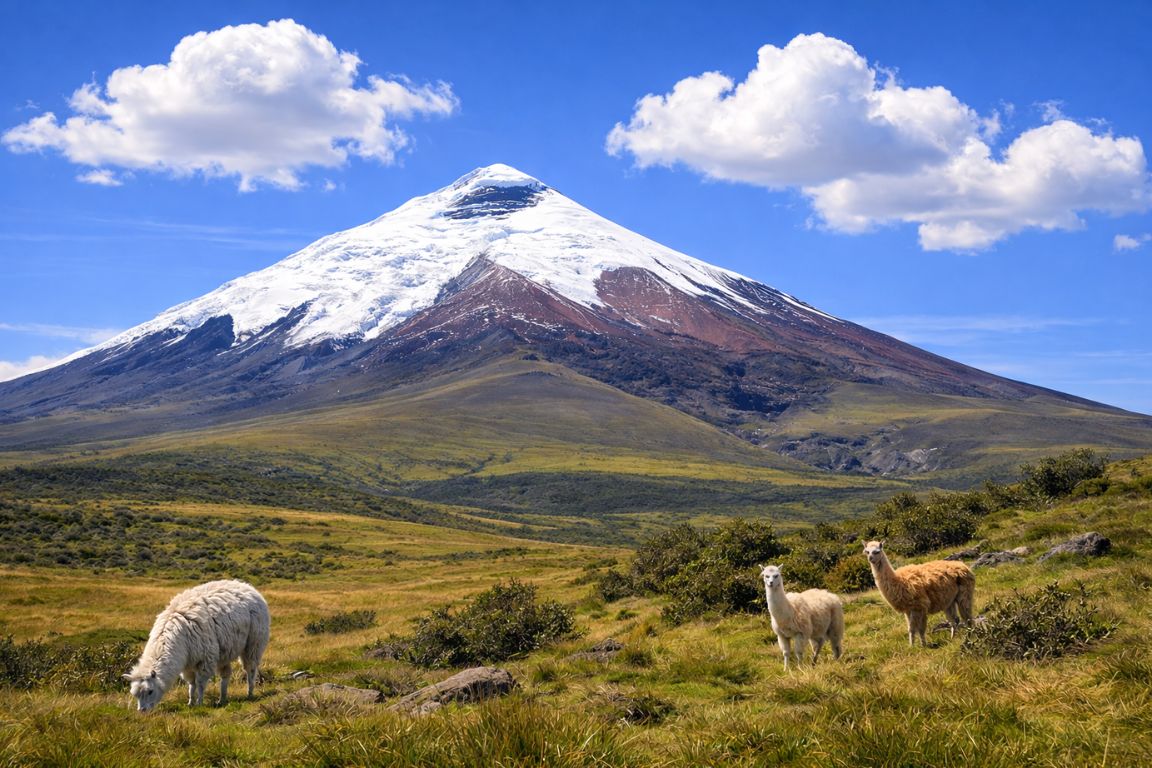 Most El Altar trekkers spend one to two nights in Riobamba before and after the trek. Riobamba is an inexpensive Andean city – budget guesthouses run $20-$35 USD per night, mid-range hotels $40-$70 USD. From Riobamba, common onward destinations are Baños (1 hour by bus, ~$3 USD), Cuenca (3.5 hours, ~$7 USD), and Quito (3.5–4 hours, ~$5 USD). If you’re adding Cotopaxi to the itinerary, the standard route is Riobamba → Quito → Cotopaxi National Park, which adds 1–2 days and $280–$590 USD for the guided summit package.
| Riobamba budget guesthouse (per night) | $20-$35 USD | Clean, functional; good options near bus terminal and market |
| Riobamba mid-range hotel (per night) | $40-$70 USD | Better amenities; hot showers after 3 days on mountain are worth it |
| Riobamba dinner (restaurant, per person) | $6-$15 USD | Good Ecuadorian food; fresh produce market nearby for very cheap options |
| Riobamba → Baños bus | $2-$3 USD | 1 hour; popular next destination; thermal baths, adventure activities |
| Riobamba → Cuenca bus | $6-$8 USD | 3.5 hours; beautiful drive through southern Andes |
| Riobamba → Quito bus | $4-$6 USD | 3.5–4 hours; frequent departures from Riobamba terminal |
| Cotopaxi guided summit climb (add-on) | $280-$590 USD pp | If combining with El Altar; separate booking; 2 days minimum |
| Chimborazo guided summit climb (add-on from Riobamba) | $350-$500 USD pp | Closest major technical climb to Riobamba; 2 days minimum |
The post-trek logistics note that catches people by surprise: you’ll finish Day 3 back at Hacienda Releche around midday, then have the 1-hour transport back to Riobamba arriving early-to-mid afternoon. That’s enough time to clean up, eat a real meal, and catch an afternoon or evening bus to your next destination if you want to push on. Or to spend the night in Riobamba and leave the next morning, which most people find more comfortable after three days on the mountain. Either works. Budget accordingly.
If you’re considering Cotopaxi as a follow-on to El Altar, the sequencing recommendation from our guides is consistent: do El Altar first, then Cotopaxi. The 3 days at 3,000-4,300m on El Altar functions as active acclimatization for Cotopaxi’s 5,897m summit attempt. It’s more effective than passive days in Quito, and you spend the acclimatization time seeing one of Ecuador’s most spectacular landscapes rather than waiting in a city. The combined itinerary adds roughly $280-$590 USD for the Cotopaxi package, $40-$80 for 2 more Riobamba/Quito nights, and 4-5 more days to the total Ecuador trip.
From Our Clients: What El Altar Trekkers Actually Spent
| Under $400 USD total | ~$375 USD | 12% |
| $400-$500 USD total | ~$455 USD | 38% |
| $500-$650 USD total | ~$570 USD | 37% |
| Over $650 USD total | ~$720 USD | 13% |
| Clients who said cost was “very good value” | n/a | 79% |
| Clients who said they would have paid more | n/a | 41% |
The 79% “very good value” figure from our post-trek survey reflects something consistent across 14 years of running this mountain: the experience El Altar delivers at $340-$420 USD for the tour package, plus realistic total trip costs of $450-$650 USD, is priced below what it’s worth to the people who’ve done it. That’s not marketing language. It’s what comes back in surveys from people who just spent three days standing at a 4,300m crater lake that most of the world has never heard of, with nine volcanic peaks overhead, no other tourists in sight, and condors circling at eye level.
Reported survey figures are not a guarantee of your outcome. Compare the actual route, inclusions and your own requirements.
Frequently Asked Questions
How much does the El Altar trek cost in 2026?
A guided 3-day El Altar trek costs $340-$420 USD per person, booked directly with a Riobamba operator. The 2-day version runs $290-$340 USD per person. These package prices include guide, transport, park entry, all on-mountain meals, mule support, and accommodation on the mountain. The realistic total trip cost – adding Riobamba accommodation, tips, transport from Quito, and travel insurance – is $450-$650 USD per person for the 3-day trek. Prices verified March 2026.
What does the El Altar guided package include?
Standard inclusions: certified bilingual guide, private transport from Riobamba to the trailhead and back, Sangay National Park entry fee ($10 USD for foreigners), all meals from Day 1 lunch through Day 3 breakfast, mule support for group gear, and on-mountain accommodation (refuge or tent). Most packages also include loaned rubber boots, sleeping bag, and rain gear. What’s not included: guide tip, travel insurance, Riobamba accommodation, transport between Quito and Riobamba, and personal gear beyond what’s loaned.
Is it cheaper to do El Altar without a guide?
Going without a guide saves $150-$250 USD but is illegal under Ecuadorian law for multi-day national park treks and meaningfully more dangerous. The trail loses definition in multiple sections, there is no cell signal on the entire route, and rescue response is measured in hours. The guide fee is not a bureaucratic cost – it covers navigation, AMS recognition, emergency protocols, and the operational knowledge that comes from repeated trips on this specific mountain. The saving is not worth what it removes.
How much should I tip my El Altar guide?
The standard in Ecuador’s mountain guiding culture is $15-$25 USD per guide per day. For a 3-day El Altar trek, budget $45-$75 USD per guide. If there’s a separate mule handler, add $5-$10 USD per day for them. Tips are paid in cash, in US dollars, at the end of the trek. Bring the correct bills from an ATM in Riobamba before departing – don’t assume you’ll have change available at the trailhead.
Do I need travel insurance for El Altar?
Yes. Travel insurance with emergency medical evacuation coverage is strongly recommended and not included in any package. A helicopter evacuation from remote Sangay National Park, followed by hospital treatment in Riobamba, can run $3,000-$8,000 USD without insurance. A policy covering high-altitude trekking activities for a two-week Ecuador trip costs $30-$80 USD. Verify that your policy specifically covers high-altitude trekking before purchasing – standard travel insurance sometimes excludes it.
This answer does not establish personal suitability, emergency support or insurance coverage. Confirm your individual requirements before booking.
Are there group discounts for El Altar?
Yes. Most operators price packages per person based on a group of two. Groups of three or more typically receive a per-person discount of $30-$60 USD. Private guide packages split between two people (1:2 guide ratio) are worth comparing to group departure pricing – the per-person premium for a private guide is often $60-$100 USD, which buys a meaningfully better experience for pairs traveling together. Ask specifically about group and private pricing when requesting a quote.
Written by Mateo Santiago Rivera
Ecuador tour guide since 2011 · Founder, El Altar Ecuador Tours
Mateo has guided over 2,200 travelers through El Altar, Chimborazo, and Ecuador’s high-altitude routes since founding the agency.